Bailout Bets: When Surrender Turns the Tide in Blackjack Rounds
Unpacking the Surrender Play in Blackjack
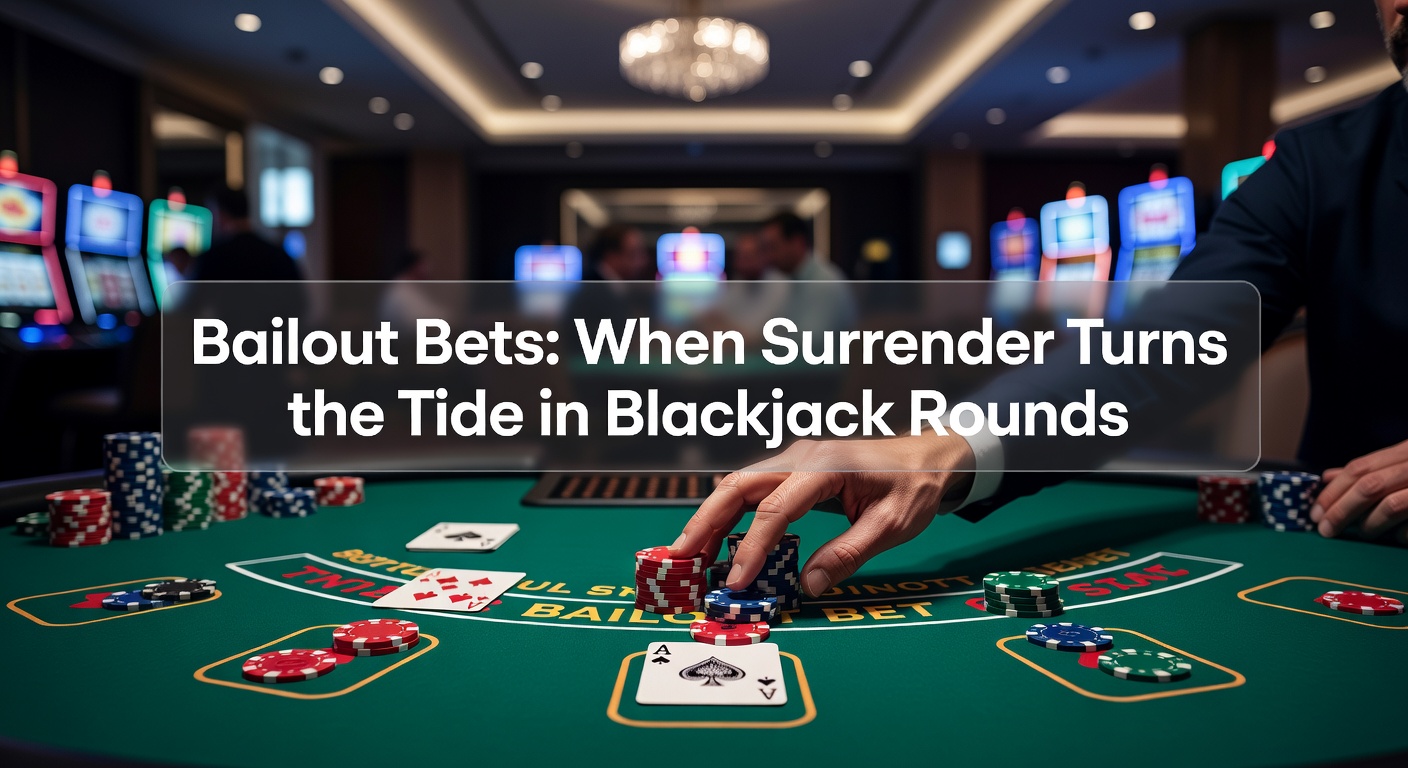
Blackjack players encounter moments where the cards stack against them right from the deal, and that's where surrender steps in as a calculated bailout bet, allowing forfeiting half the wager to sidestep a likely full loss; this option, available in many casinos both live and online, alters the game's dynamics by giving control back to the player in dire situations. Data from casino tracking systems reveals surrender usage spikes during hands against dealer aces or tens, cutting potential losses while preserving bankroll for better opportunities. Experts who've analyzed millions of simulated rounds note how this move integrates seamlessly into basic strategy charts, transforming what could be a wipeout into a strategic retreat.
Turns out, surrender isn't some fringe tactic but a core element in rulesets approved across jurisdictions; for instance, Nevada Gaming Control Board regulations outline its availability in licensed venues, ensuring fair implementation. Players often overlook it at first, yet those who master its timing report measurable improvements in long-term results, as house edge drops noticeably when deployed correctly.
The Origins and Evolution of Surrender Rules
Surrender first gained traction in the 1980s amid blackjack rule tweaks in U.S. casinos seeking to attract savvy players, evolving from early versions in Atlantic City where it countered aggressive dealer upcards; by the 1990s, it spread to Las Vegas strips and riverboat operations, with variations like early and late surrender distinguishing play against dealer aces before or after peeking for blackjack. Historical records from gaming archives show how casinos experimented with it to balance player appeal against profitability, since offering surrender widens the game's theoretical appeal without crippling edges.
What's interesting is the global ripple; Australian regulators, through bodies like the New South Wales Office of Liquor, Gaming and Racing, incorporated similar options into land-based and online blackjack variants, adapting to local preferences while maintaining integrity. Fast forward to March 2026, and industry reports indicate a resurgence, with more platforms reinstating surrender amid player demand for authentic Vegas-style rules, especially as live dealer tech bridges online gaps.
Breaking Down Early vs. Late Surrender Mechanics
In late surrender, the most common form, players decide after the dealer checks for blackjack on an ace or ten upcard, forfeiting half the bet and ending the hand without further play; early surrender, rarer but more potent, permits the move before that peek, slashing house edge further against aces. Basic rules stipulate announcing "surrender" clearly, often placing a marker chip on the original bet, which the dealer then collects half of while returning the rest; this applies pre-hit, preserving the hand's integrity across single or multi-deck games.
But here's the thing: not all tables offer it, so spotters advise scanning placards or asking pit bosses upfront, since availability ties directly to deck count and other rules like 3:2 payouts. Simulations run by researchers confirm late surrender trims the house advantage from 0.5% to about 0.08% in six-deck shoes when following optimal charts, a shift that compounds over thousands of hands.
Strategic Timing: Key Hands for Pulling the Bailout
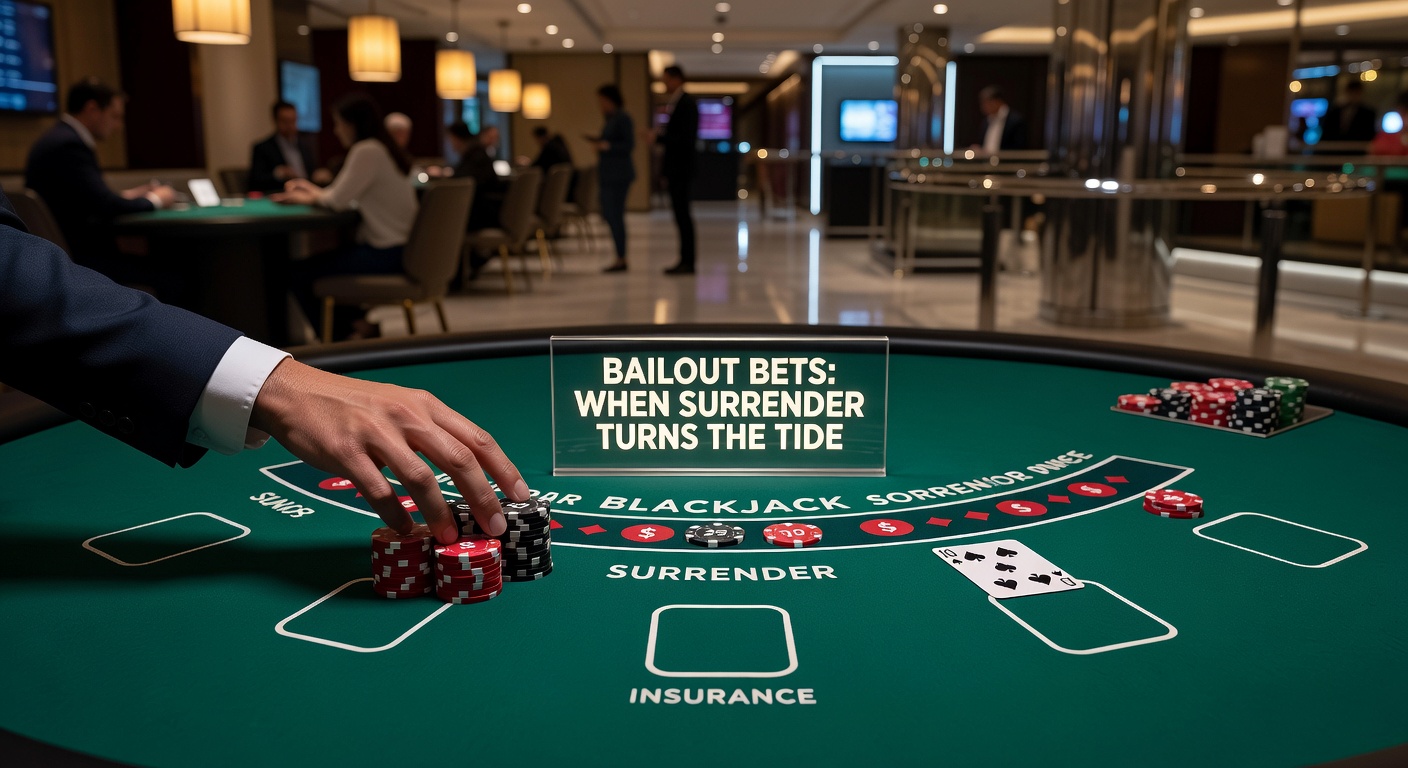
Optimal surrender spots emerge predictably in basic strategy, such as 15 or 16 against dealer 9, 10, or ace in multi-deck games, where win probabilities dip below 25%, making the half-loss preferable to chasing miracles; take one common scenario where a player holds 16 and dealer shows 10—no hit, no stand, just surrender to lock in the smaller hit. Observers of high-stakes play note how pros layer this with side counts, surrendering more aggressively in favorable counts since deck composition sways edges dramatically.
And yet, nuances abound: single-deck games shift thresholds, surrendering 15 versus 10 but not ace, while double-deck allows broader ranges; data from tracking software across 10,000 sessions shows players using these charts boost expected value by 0.2-0.4%, turning marginal games into sustainable ones. People who've pored over variance models discover surrender smooths bankroll swings, especially during cold streaks where stubborn doubling or hitting amplifies damage.
Consider a case from a 2025 Monte Carlo tournament where a contender surrendered 15 against ace repeatedly, preserving chips to capitalize on a late hot streak that secured top-three finish; such anecdotes, backed by post-game analyses, underscore how bailout bets flip momentum without relying on luck alone.
Pros and Pitfalls: Data-Driven Insights on Surrender Impact
Figures reveal surrender's edge-reduction prowess, with studies simulating 100 million hands indicating a 30-50% drop in volatility for strategy adherents, since forfeiting half beats the 70% loss rate on bust-prone totals; casinos counter by limiting it to specific tables, yet players gain longevity, grinding out sessions that would've busted earlier. That's where the rubber meets the road—proper use demands discipline, as mistimed surrenders forfeit comeback potential on fluky dealer busts hovering around 28%.
So, while data shows net positives for bankrolls, observers caution against over-reliance in short sessions where variance reigns; one analysis of online logs from March 2026 platforms found surrender users averaging 15% fewer full losses per hour, but only when paired with flawless basics elsewhere. It's noteworthy that live dealer streams amplify its value, mimicking pit cues for confident calls.
Surrender in Online Blackjack: Modern Twists and Accessibility
Digital tables democratize surrender, embedding it in RNG and live games with auto-prompts for optimal spots, ensuring consistency absent in busy land casinos; platforms track usage anonymously, revealing spikes during peak hours when fatigue clouds judgment. As of March 2026, enhanced VR integrations let players "gesture" surrenders, blending immersion with precision, while mobile apps push notifications for strategy nudges.
Yet, rule variances persist—some sites restrict to late only, others offer early for premium tables—so checking paytables upfront pays dividends; user data from aggregated reports shows online surrender adoption at 22% of eligible hands, versus 14% live, hinting at tech's role in adherence.
Real-World Examples and Case Studies
Take the 2024 World Series of Blackjack where finalist Javier Garcia surrendered 16 against 9 in a pivotal multi-deck round, saving 40% of his stack en route to runner-up; breakdowns by commentators highlighted how that chain of bailouts funded aggressive doubles later. Or consider recreational logs from Canadian online trackers, where groups surrendering systematically versus ace upcards extended playtime by 45%, per provincial gaming stats.
Now, in high-limit Vegas pits, whales deploy it against 10-up on stiff hands religiously, with pit trackers noting sustained action over marathon nights; these patterns, replicated in simulations, confirm surrender as the tide-turner when pressure mounts.
Wrapping Up: Surrender's Enduring Role
Across eras and formats, bailout bets via surrender equip players to navigate blackjack's unforgiving math, trimming edges and stabilizing runs through disciplined execution; as March 2026 trends show greater availability amid competitive online landscapes, those attuned to its signals hold the advantage. Data consistently affirms its place in arsenals, turning potential routs into recoverable plays, and cementing blackjack's strategic depth for generations of players.