Charting Safe Passages: The Interplay of Legal Policies and User Assistance in Digital Gaming Spaces
Written by Morgan Otto · May 18, 2026
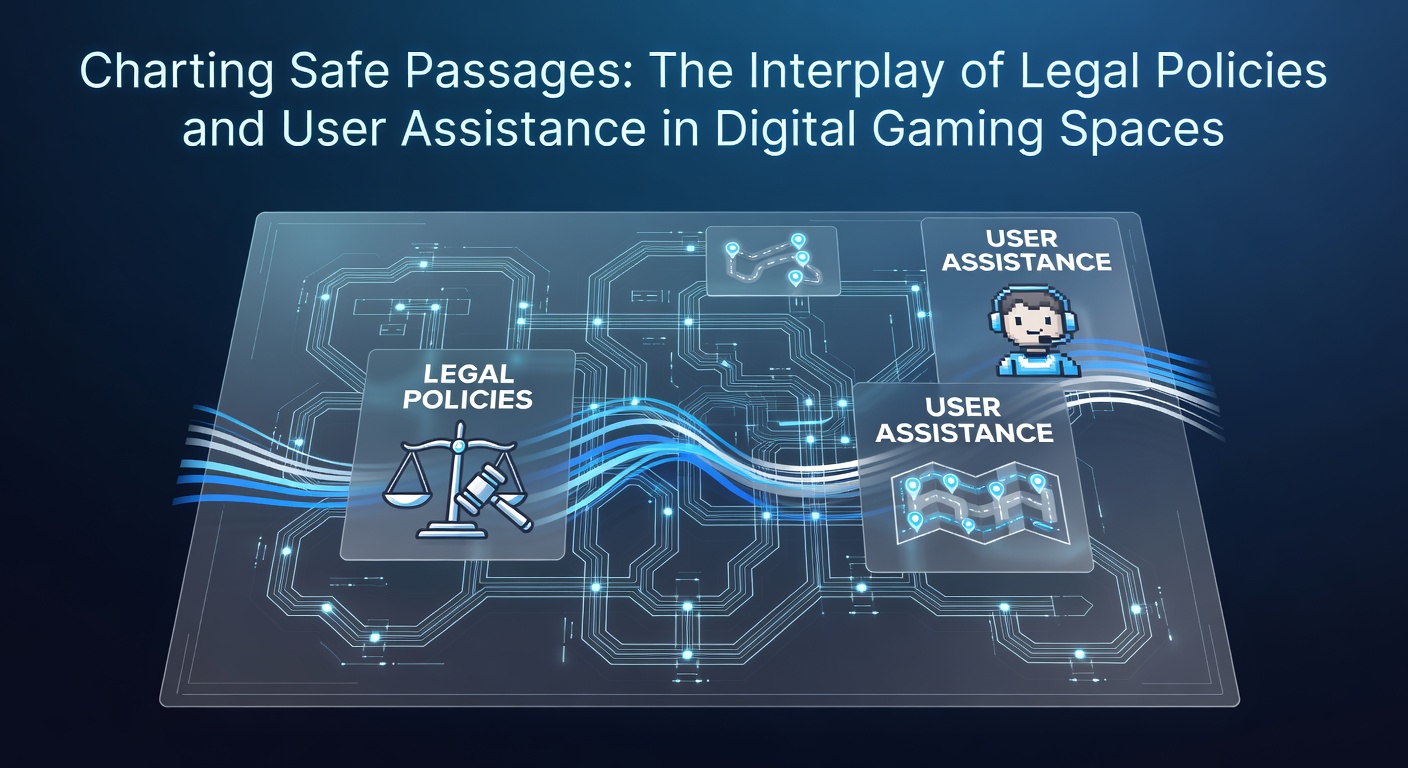
Charting Safe Passages: The Interplay of Legal Policies and User Assistance in Digital Gaming Spaces
Digital gaming platforms have expanded rapidly across multiple continents, prompting regulators to craft policies that address both operator responsibilities and direct assistance for participants who encounter challenges during play. These frameworks often combine licensing requirements with mandatory tools such as age gates, spending limits, and real-time alerts that connect users to external counseling resources when patterns suggest risk.
Regulatory Evolution Across Key Jurisdictions
Authorities in North America and Europe began tightening oversight in the early 2020s, requiring platforms to maintain detailed logs of user behavior while also funding independent help lines that players can reach without leaving the interface. In May 2026 several updated standards are scheduled to take effect in select Canadian provinces, mandating that operators integrate automated pop-up messages after extended sessions and provide one-click access to provincial problem-gambling hotlines. Similar measures already operate in parts of Australia where state-level rules compel sites to display session timers alongside links to the national gambling help service.
Researchers at the National Center for Responsible Gaming have documented how these layered requirements reduce the time between the first sign of excessive play and the moment a user receives outside support. Data from that organization shows that platforms adopting integrated assistance features report higher rates of voluntary self-exclusion requests within the first month of implementation compared with earlier systems that relied solely on static policy pages.
User Assistance Tools and Their Legal Anchors
Modern assistance features rarely exist in isolation from statute. Licensing bodies typically list specific functions that every approved platform must offer, ranging from deposit caps set by the player to temporary cooling-off periods that lock an account for twenty-four hours or more. These obligations stem from broader consumer-protection legislation that treats gaming participation as a financial activity subject to transparency rules. Operators therefore embed the tools directly into account dashboards so users encounter them during routine logins rather than after problems have already escalated.
One documented example involves a European operator that added a behavioral-monitoring algorithm required under new digital-services legislation. The system flags accounts showing rapid increases in bet size or frequency, then surfaces a message offering an immediate chat with a trained moderator while simultaneously displaying contact details for a local counseling center. Observers note that such combined approaches satisfy both regulatory audits and user expectations for discreet, immediate help.
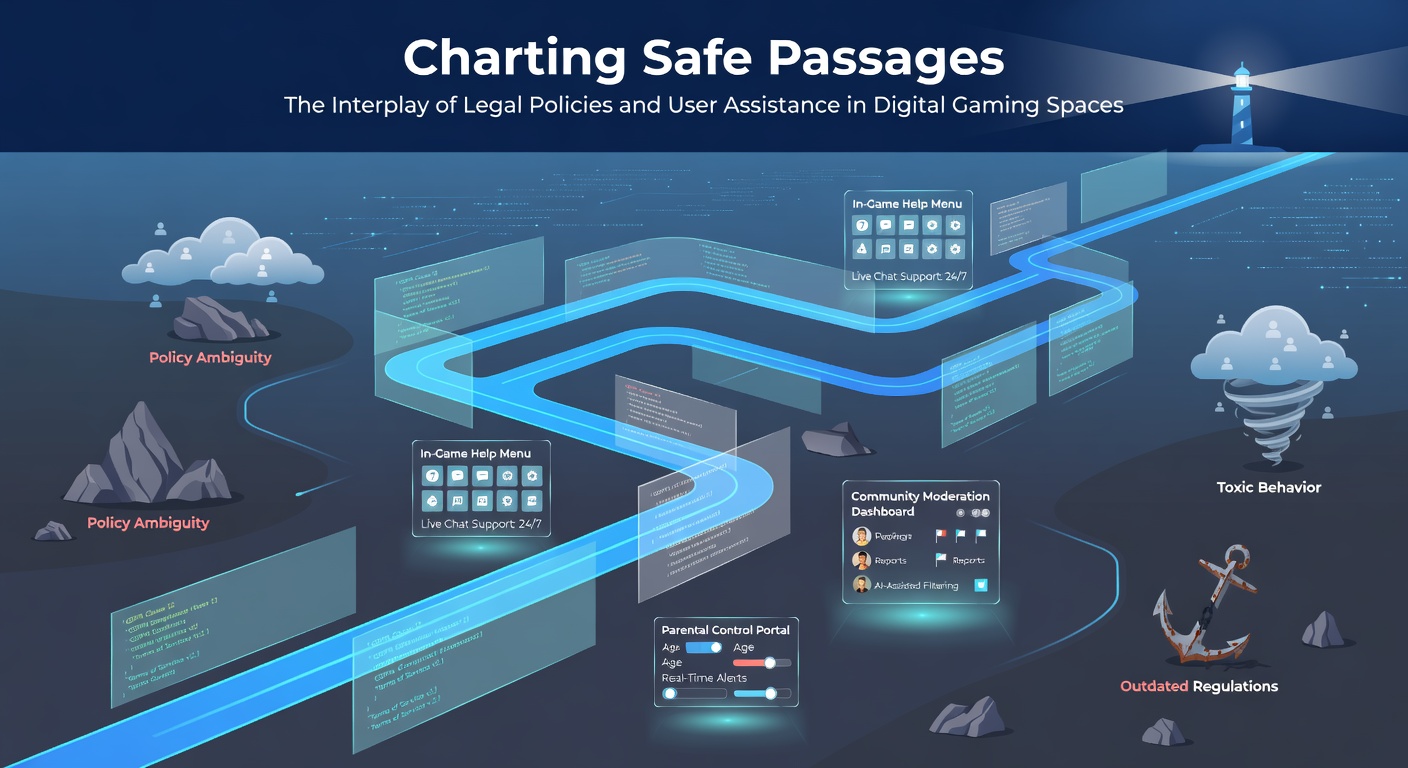
Cross-Border Coordination and Emerging Standards
Because many platforms serve users from multiple countries, regulators have begun sharing compliance data through informal networks rather than formal treaties. Information exchanged between teh Nevada Gaming Control Board and counterparts in Singapore, for instance, has influenced how both jurisdictions structure mandatory responsible-gaming training for staff. These exchanges also shape the wording of pop-up warnings and the timing of required breaks, creating a degree of consistency that simplifies operations for international companies.
Academic reviews published by the University of Nevada, Las Vegas International Gaming Institute indicate that coordinated standards tend to produce clearer guidance for users who move between different licensed sites. Players who encounter similar self-exclusion procedures and help-link placements across borders report fewer instances of confusion when attempting to set personal limits or access external resources.
Practical Outcomes and Ongoing Refinements
Compliance reports released in early 2026 reveal that platforms adhering to the newest assistance mandates experience measurable drops in complaints related to unauthorized play or disputed transactions. Regulators attribute part of this improvement to the requirement that every account must display a prominent “Get Help” button leading to both in-platform chat and external hotlines. The same reports note that operators who treat these features as afterthoughts rather than core design elements receive longer audit cycles and occasional license reviews.
Industry associations such as the American Gaming Association have published best-practice guides that translate regulatory language into concrete interface designs. These guides emphasize placing assistance options at consistent screen locations and using neutral language that avoids stigma. Platforms following the recommendations often see increased uptake of voluntary limit-setting tools, which in turn supports continued regulatory approval.
Conclusion
Legal policies and user-assistance mechanisms now function as interconnected components within digital gaming ecosystems. Requirements established by licensing authorities create the structural framework, while practical tools deliver immediate support at the moment it is needed. As additional standards roll out in May 2026 and beyond, platforms that embed assistance features seamlessly into daily operation continue to meet compliance benchmarks while giving participants clearer routes to help when they choose to use them.