Decoding Licensing Frameworks That Shape Blackjack Platform Standards Across Borders
Written by Erik Coleman · Jul 11, 2026
Decoding Licensing Frameworks That Shape Blackjack Platform Standards Across Borders
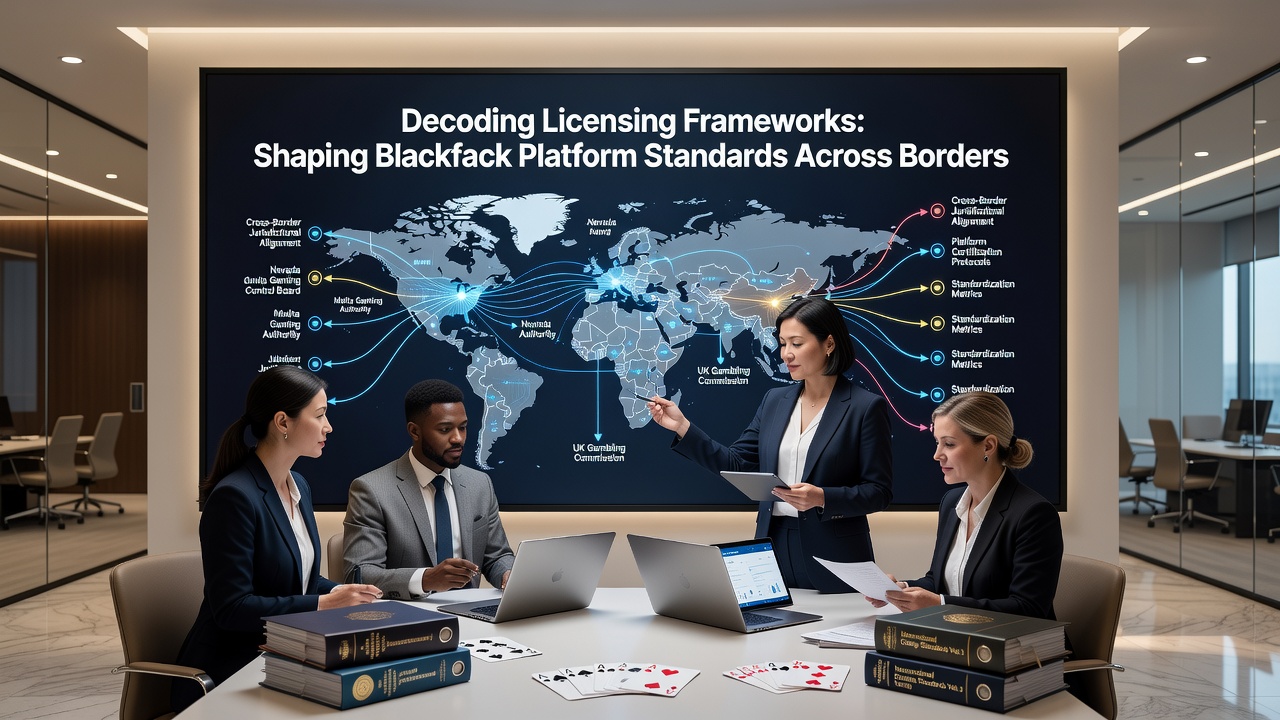
Licensing frameworks for blackjack platforms operate through a patchwork of national and regional authorities that establish technical, financial, and operational requirements before any operator can offer games across multiple markets, and these rules directly influence everything from random number generator certification to data handling protocols. Operators must navigate separate approval processes in each jurisdiction while maintaining consistent platform performance, which creates layered compliance obligations that affect game design, payment processing, and user verification systems.
Jurisdictional Variations in Licensing Requirements
North American regulators set detailed technical standards that blackjack platforms must meet before receiving authorization to serve players within their borders. The Nevada Gaming Control Board requires independent testing of all gaming software and ongoing audits of platform integrity, which forces developers to build systems capable of real-time monitoring and rapid updates when standards evolve. Canadian provincial frameworks, such as those administered by iGaming Ontario, add further specifications around responsible gaming tools and transaction reporting that platforms must integrate at the code level to maintain active licenses.
European licensing regimes emphasize consumer protection measures alongside technical compliance, with authorities in Malta and Gibraltar maintaining their own certification pathways that platforms must satisfy to reach players in those markets. These frameworks often mandate specific encryption levels and audit frequencies that exceed baseline requirements in other regions, compelling operators to maintain multiple compliance layers within a single backend system.
Technical Standards Driven by Cross-Border Rules
Blackjack platforms incorporate region-specific features because licensing bodies demand verifiable fairness mechanisms and secure transaction environments. Random number generator testing occurs at accredited laboratories approved by each authority, while payout verification systems must generate reports formatted according to local regulatory templates. Platforms that serve multiple jurisdictions therefore maintain parallel compliance modules that activate based on player location, ensuring that each session meets the strictest applicable standards without disrupting gameplay flow.
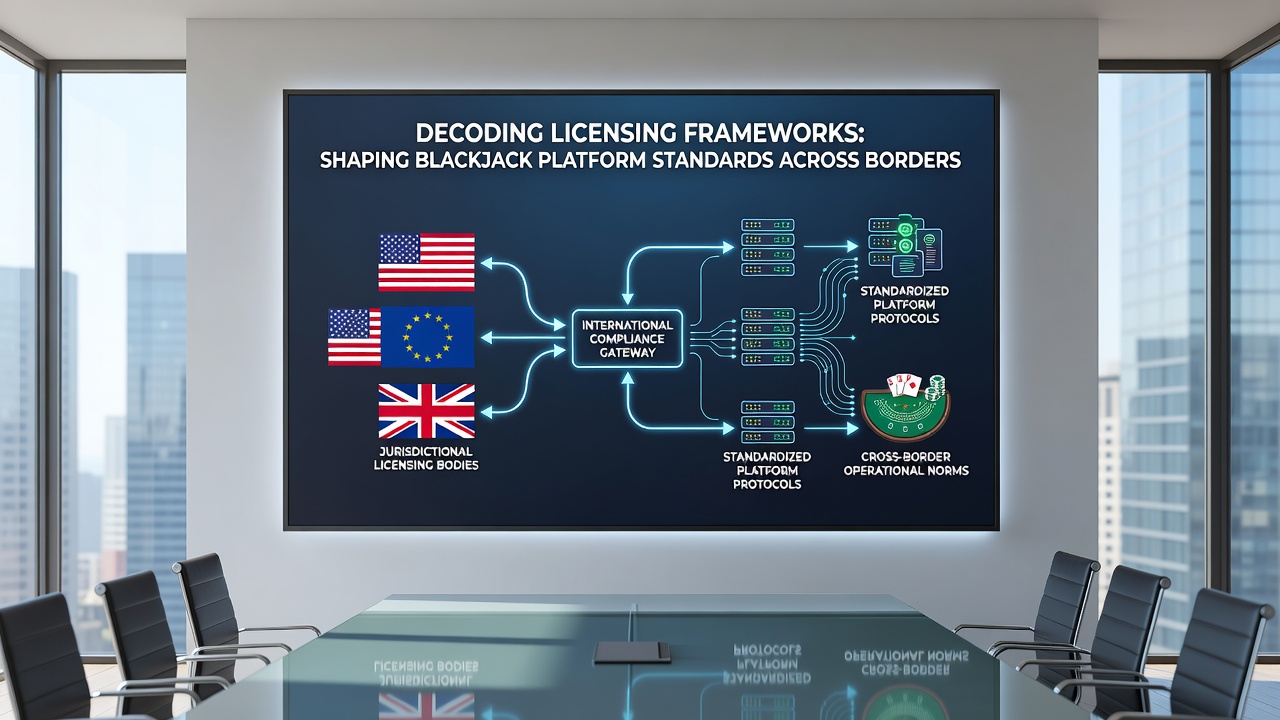
Payment gateway integrations reflect similar fragmentation because licensing conditions frequently restrict which financial processors operators may use. Frameworks in several Australian states, for instance, require platforms to partner only with locally licensed payment providers that perform additional identity checks before processing deposits or withdrawals. This requirement influences how blackjack sites structure their cashier systems and determines which banking methods appear available to players depending on their detected location.
Enforcement Mechanisms and Platform Adaptations
Regulatory bodies conduct both scheduled and surprise audits that examine source code, server logs, and financial records to confirm ongoing adherence to licensing conditions. Platforms respond by building automated logging systems that capture every transaction and game outcome in formats readable by multiple authorities simultaneously. Data from a 2025 industry report prepared by the University of Nevada, Reno shows that operators with multi-jurisdictional licenses allocate roughly 15 to 20 percent of their technical budgets to compliance infrastructure alone.
July 2026 brought new reporting deadlines in several Canadian provinces that require platforms to submit aggregated player behavior data within tighter timeframes than previously mandated. These changes prompted several operators to upgrade their analytics pipelines so that compliance teams could generate required summaries without manual intervention. Similar adjustments appeared in parts of the Asia-Pacific region where authorities introduced updated responsible gaming thresholds that platforms must now monitor automatically during live blackjack sessions.
Challenges of Maintaining Consistent Standards
Operators face ongoing tension between the need for unified platform architecture and the demand for jurisdiction-specific customizations. When one licensing body updates its encryption standards, platforms must roll out changes across all markets even if other regulators have not yet adopted the same requirements. This creates situations where the most stringent rule effectively becomes the global baseline for any operator seeking to preserve access to multiple regions.
Research published by the Australian Institute of Criminology in early 2026 examined how licensing fragmentation affects smaller operators, finding that compliance costs scale disproportionately for companies serving fewer than five jurisdictions. Larger platforms absorb these expenses more easily because they spread development and audit fees across wider revenue streams, while newer entrants often limit their geographic footprint until they secure additional funding.
Conclusion
Licensing frameworks continue to evolve as regulators respond to technological advances and player protection priorities, requiring blackjack platforms to maintain flexible systems that accommodate shifting requirements without interrupting service. The interplay between different national and regional authorities determines which technical features become standard across the industry and which remain optional depending on target markets. Observers note that platforms successful at managing these obligations typically invest early in modular compliance architecture that can incorporate new rules with minimal disruption to existing operations.