Examining Cross-Border Data Flows in Mobile Blackjack Ecosystems: Compliance Layers and Player Data Pathways
Written by Kai Hughes · Jul 8, 2026
Examining Cross-Border Data Flows in Mobile Blackjack Ecosystems: Compliance Layers and Player Data Pathways
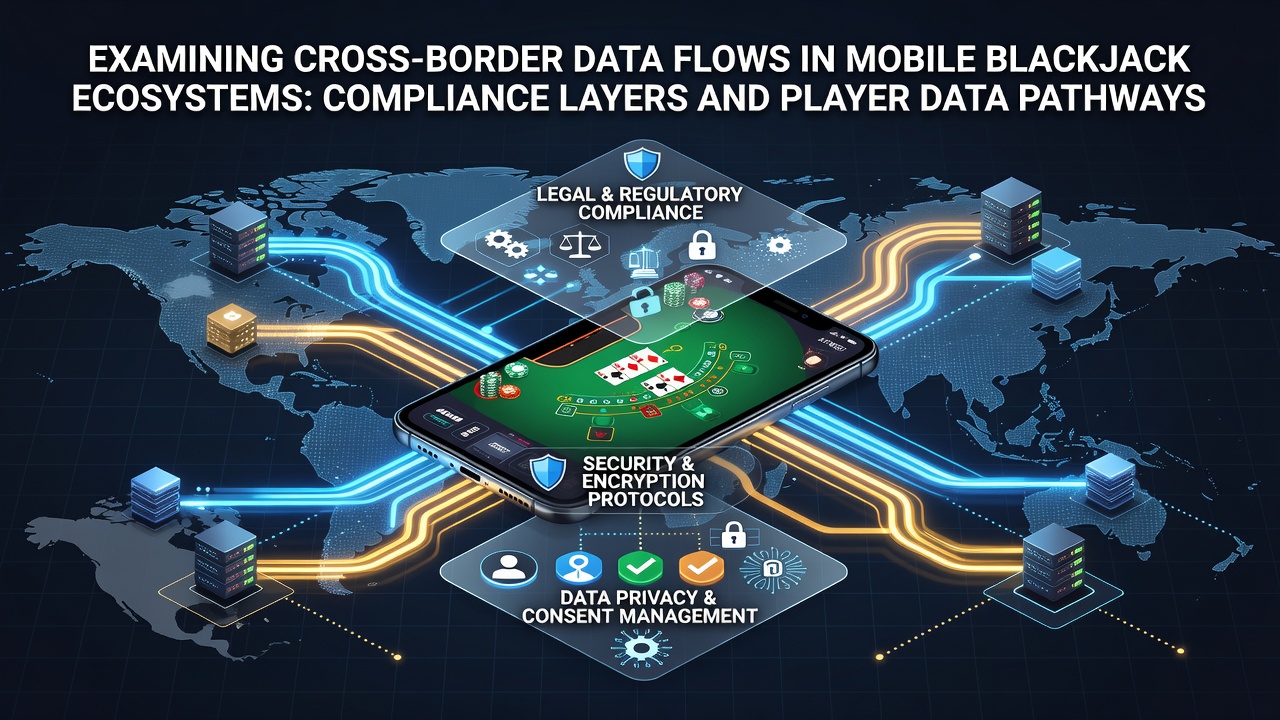
Mobile blackjack platforms operate through intricate networks where player data travels across multiple jurisdictions, and these movements trigger specific compliance requirements that operators must address at every stage. Data originates when a player logs into an app, often from a device in one country, while the backend servers sit in data centers located elsewhere, and payment processors add further routing points that cross borders repeatedly during a single session.
Data Pathways in Mobile Blackjack Applications
Player information follows defined routes that begin with registration details, move through game servers for session tracking, and extend to analytics platforms that process behavioral patterns. These pathways rely on cloud infrastructure providers that maintain regional nodes, so a user in Europe might connect to a North American instance while authentication occurs through an Asian gateway, and each hop requires logging for audit purposes. Research indicates that such routing occurs in milliseconds yet generates metadata that regulators examine during compliance reviews.
Payment data adds another layer because transaction processors often reside in separate regulatory zones from the game operator itself. When a player deposits funds, the authorization request travels to a financial institution that may forward details to additional verification services, creating a chain where each participant must satisfy its own data protection standards. Studies from academic sources show that these multi-hop flows increase the volume of personal data transferred internationally by factors of three to five compared with single-jurisdiction operations.
Compliance Layers Across Regions
Operators layer technical and legal controls to meet obligations that differ by territory, and these controls include consent management platforms, data minimization protocols, and cross-border transfer agreements. In the European Economic Area, rules emphasize explicit user consent and impact assessments before any transfer occurs, whereas Canadian frameworks under the Office of the Privacy Commissioner of Canada focus on accountability mechanisms that follow data regardless of location. Office of the Privacy Commissioner of Canada guidelines require organizations to demonstrate equivalent protection when moving information outside the country.
Additional requirements appear in markets such as Australia where the Australian Communications and Media Authority oversees data handling in gaming contexts, and operators must maintain records that demonstrate lawful transfer mechanisms. As of July 2026, several jurisdictions have updated guidance on encryption standards for real-time game data, requiring end-to-end protections that prevent interception during transmission between mobile clients and remote servers. These updates reflect ongoing efforts to align technical measures with evolving threat models observed in the sector.
Technical Mechanisms Supporting Data Transfers
Encryption protocols form the foundation of secure movement, and operators deploy TLS 1.3 alongside tokenization for sensitive fields such as payment credentials. Access controls limit which internal teams can view raw player identifiers, while audit logs capture every query that crosses a border so that regulators can reconstruct the sequence of events if an investigation arises. Observers note that these logs have become essential evidence in disputes involving unauthorized access or data breaches.
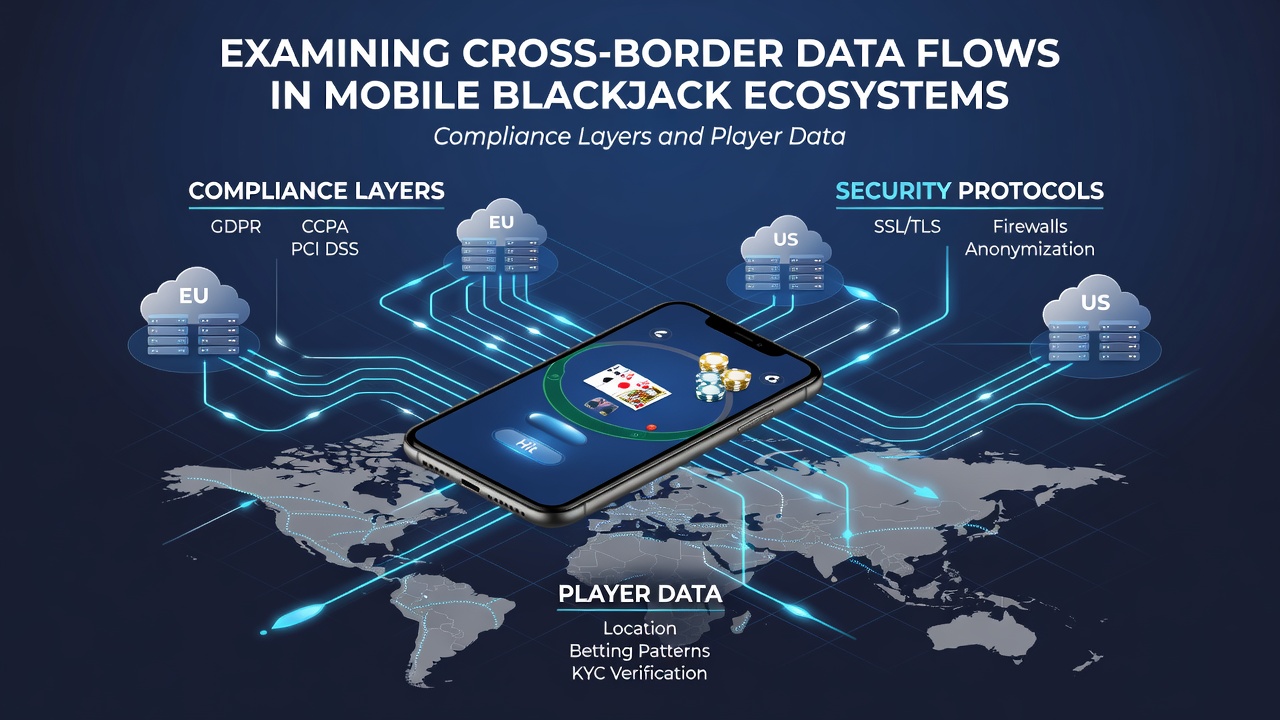
Standard contractual clauses and binding corporate rules serve as legal instruments that permit transfers when adequacy decisions do not exist between countries. These documents specify responsibilities for each party in the data chain, and they undergo periodic review to remain aligned with court rulings that interpret privacy statutes. Data from industry reports reveals that operators who maintain updated clauses experience fewer interruptions when new regulatory guidance emerges.
Player Data Management Practices
Users encounter consent interfaces at onboarding that explain where their information will travel and for what purposes, and these notices must remain accurate as backend infrastructure changes. Self-service portals allow individuals to request data exports or deletions, yet fulfilling such requests requires coordination across multiple service providers located in different time zones. Those who have examined these processes observe that response times average between five and fifteen business days depending on the complexity of the data map.
Retention schedules vary according to the longest applicable statute of limitations in any jurisdiction where the player has connected, and operators must delete or anonymize records once those periods expire. Automated tools flag accounts that reach retention thresholds, and manual reviews confirm that no residual copies remain in backup systems located abroad. Figures from regulatory filings indicate that retention disputes account for a growing share of complaints submitted to privacy authorities.
Conclusion
Cross-border data flows in mobile blackjack ecosystems depend on coordinated technical safeguards and legal instruments that adapt to shifting regulatory landscapes. Operators that maintain clear documentation of pathways, apply consistent encryption, and honor regional consent rules position themselves to meet obligations across the territories they serve. Continued monitoring of guidance from bodies such as the European Data Protection Board helps align practices with emerging expectations while supporting uninterrupted player experiences. European Data Protection Board publications provide additional detail on transfer impact assessments that many organizations now incorporate into routine compliance programs.