Examining Loyalty Tier Structures in Blackjack Platforms: How Tiered Reward Systems Align Player Activity With Compliance Mandates Across Jurisdictions
Written by Morgan Wagner · Aug 10, 2026
Examining Loyalty Tier Structures in Blackjack Platforms: How Tiered Reward Systems Align Player Activity With Compliance Mandates Across Jurisdictions
Blackjack platforms organize loyalty programs into tiered structures that track player activity through accumulated points based on wager volume and session frequency, with each level unlocking distinct reward categories while embedding verification steps required by regional regulations. These systems operate across multiple jurisdictions where operators must satisfy anti-money laundering protocols, responsible gaming standards, and licensing conditions that tie reward access to documented player identity and spending patterns. Data from industry reports indicate that tier progression often requires periodic account reviews, which align player engagement metrics with compliance obligations enforced by bodies such as the Nevada Gaming Control Board and the Malta Gaming Authority.
Mechanics of Tier Progression in Blackjack Environments
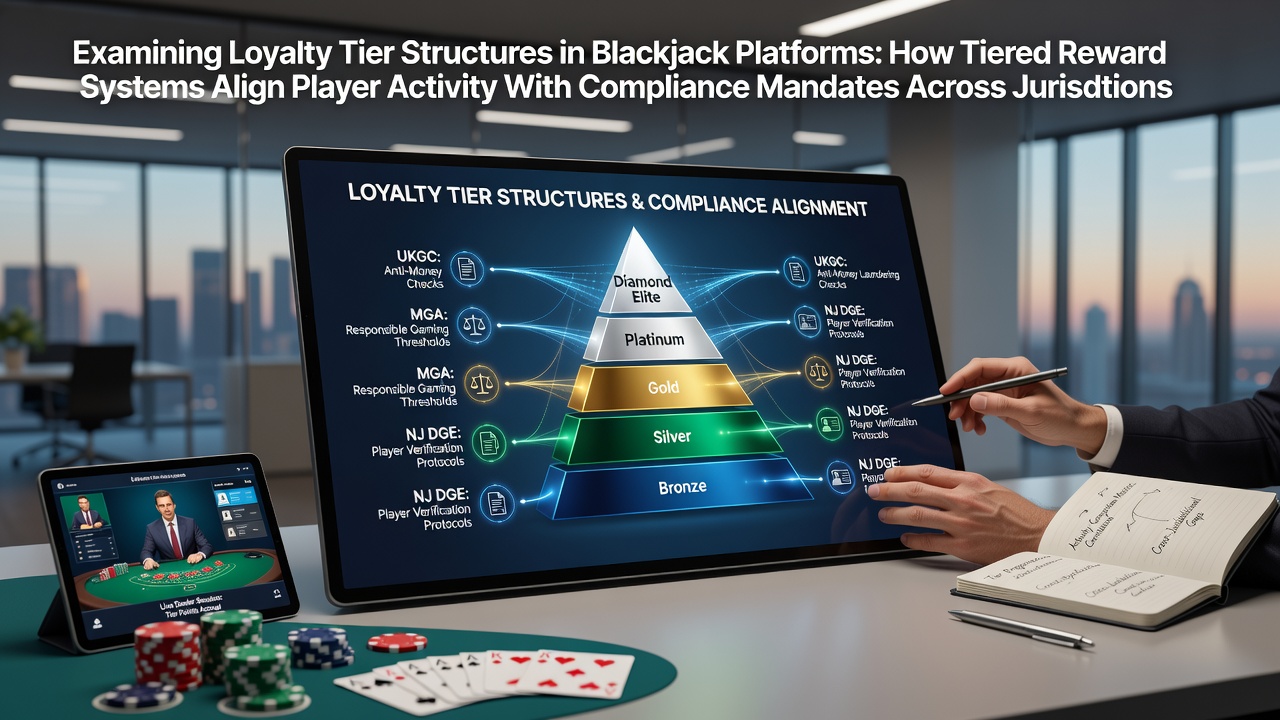
Entry-level tiers grant basic cashback percentages and occasional free bet credits after minimal wagering thresholds, whereas mid-tier and elite levels deliver higher return rates, priority event access, and personalized host services once players reach cumulative point totals calculated from blackjack-specific bets. Platforms calculate points using formulas that assign values per unit wagered, with multipliers applied during promotional periods, and these calculations feed directly into automated systems that flag accounts for compliance screening when thresholds cross jurisdictional reporting limits. Observers note that operators integrate these calculations with transaction monitoring tools to detect unusual patterns that might indicate money laundering risks, thereby converting routine play data into actionable compliance records.
Integration With Regulatory Requirements Across Regions
In North American markets governed by state-level oversight, tier advancement frequently mandates enhanced due diligence including source-of-funds declarations once annual rewards exceed certain thresholds, a practice that mirrors requirements outlined in reports from the American Gaming Association. European operators, by contrast, align tiers with directives from the European Gaming and Betting Association that emphasize self-exclusion linkage and spending limit synchronization, where higher-tier benefits become conditional on active responsible gaming tool usage. Australian frameworks add another layer through state licensing conditions that require loyalty systems to record player activity for harm minimization audits, creating data trails that connect reward claims to verified identities and session histories.

Player Activity Patterns and Reward Alignment
Research from academic studies on digital gambling behavior shows that tiered systems increase average session duration and wager frequency as players pursue status elevation, yet these same systems embed automated pauses for verification when activity spikes trigger regulatory thresholds. Platforms in multiple jurisdictions now synchronize tier resets with calendar-based compliance cycles, ensuring that continued benefit access depends on updated documentation rather than uninterrupted play alone. Those who have analyzed platform data observe that this synchronization reduces instances of unreviewed high-volume accounts while maintaining consistent reward delivery for compliant participants.
Cross-Jurisdictional Variations in Implementation
Operators licensed in both the United States and Europe maintain separate loyalty ledgers for each regulatory environment, with points earned under one set of rules remaining non-transferable to another to prevent circumvention of localized spending caps or verification mandates. Canadian provincial regulators have introduced guidelines that link tier benefits to mandatory reality-check prompts, whereas emerging Asian markets experiment with tier structures that incorporate real-time currency conversion monitoring to satisfy international financial reporting standards. These variations require platforms to deploy modular software architectures capable of applying jurisdiction-specific rules without disrupting the core progression mechanics visible to players.
Technological Infrastructure Supporting Compliance Integration
Modern blackjack platforms utilize centralized databases that merge loyalty point ledgers with know-your-customer records and transaction logs, enabling real-time queries during tier advancement requests. Machine learning models trained on historical compliance cases assist in prioritizing accounts for manual review, reducing the volume of routine checks while maintaining audit readiness for licensing renewals scheduled throughout 2026. As of August 2026, several major platforms completed system upgrades that incorporate blockchain-based logging for loyalty transactions, providing immutable records that satisfy cross-border data sharing agreements between regulatory agencies.
Conclusion
Tiered loyalty structures in blackjack platforms function as dual-purpose mechanisms that channel player activity toward sustained engagement while satisfying the documentation and monitoring demands imposed by diverse regulatory regimes. The alignment occurs through automated thresholds, periodic verification gates, and region-specific rule sets that convert routine reward progression into structured compliance events. Continued evolution of these systems will likely reflect ongoing adjustments to enforcement priorities across jurisdictions as operators refine the balance between incentive delivery and regulatory adherence.