From Deck to Data: Blackjack's Transformation Through Technological Integration in Gaming Environments
Written by Morgan Otto · Jun 1, 2026
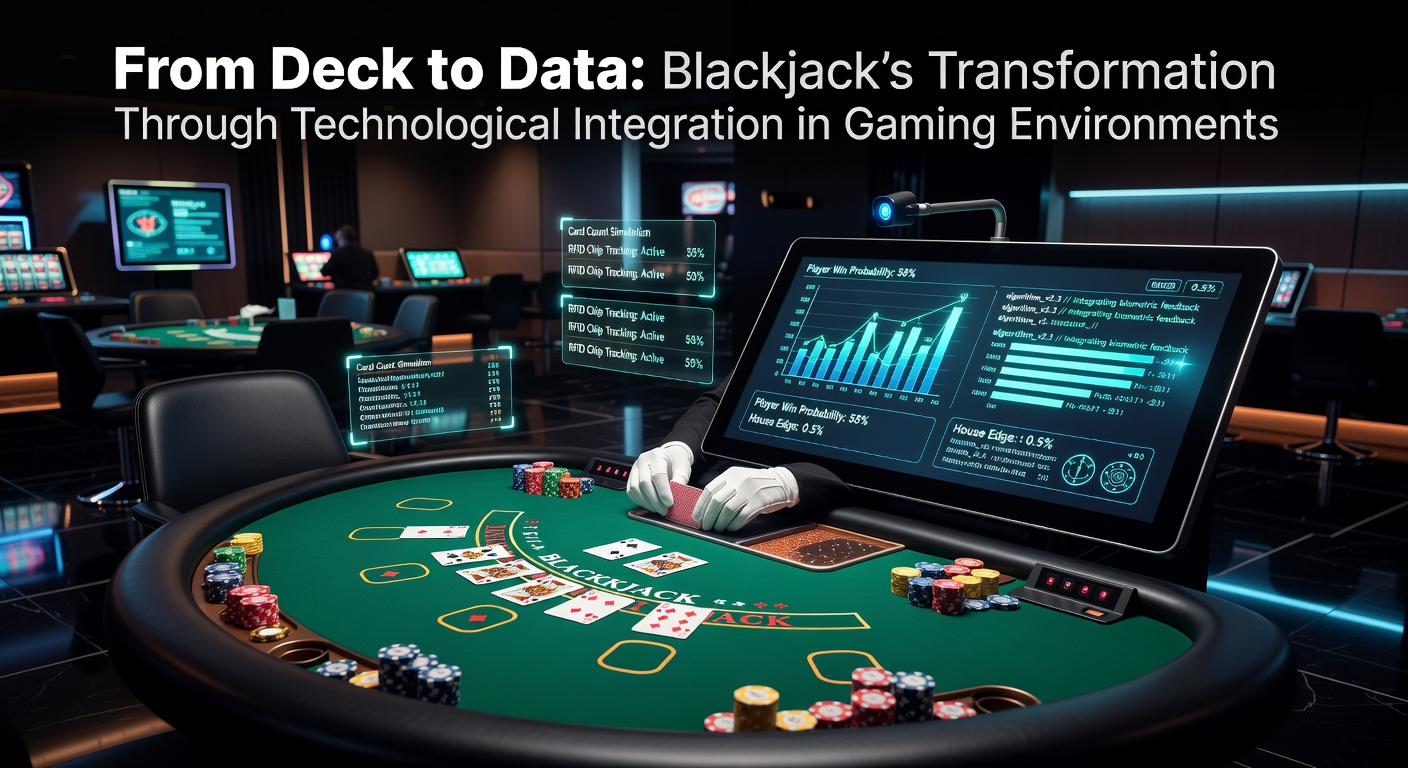
From Deck to Data: Blackjack's Transformation Through Technological Integration in Gaming Environments
Blackjack has moved from simple felt tables and physical decks into environments where sensors, algorithms, and data streams shape every hand, and this shift accelerated as casinos integrated electronic systems during the late twentieth century while online platforms expanded access in the early 2000s. Researchers tracking these changes note that card shoes equipped with RFID readers first appeared in Nevada casinos around 2005, allowing dealers to verify card authenticity in real time without slowing gameplay.
Early Electronic Aids and Shuffle Machines
Mechanical shufflers entered widespread use by the 1990s because they reduced downtime between rounds and limited opportunities for card counting, yet these devices still required human oversight until optical scanners linked them to central databases. Data collected from these machines revealed patterns in deck penetration that operators later used to adjust house rules across multiple properties. Observers note that by 2010 several large operators had connected shufflers to proprietary software that flagged unusual sequences, and this practice spread when similar systems reached Atlantic City floors.
Online Platforms and Random Number Generators
Digital blackjack arrived with the first internet casinos in the mid-1990s, and developers replaced physical cards with pseudorandom algorithms certified by testing laboratories. These RNG systems generate outcomes at speeds measured in milliseconds, and independent audits confirm that distribution remains uniform across millions of simulated hands. Figures from the Nevada Gaming Control Board show that online blackjack revenue in regulated U.S. markets grew from under 50 million dollars in 2013 to more than 800 million dollars by 2024, driven largely by mobile applications that stream results directly to player devices.
Live Dealer Integration and Hybrid Tables
Live dealer studios emerged around 2010, combining physical cards with video feeds and optical character recognition software that converts each dealt card into data packets sent to remote players. Studios in Malta and the Philippines now operate thousands of tables simultaneously, while software overlays display running counts and probability models without revealing house information. This hybrid model lets operators collect granular statistics on betting patterns, and those datasets feed machine learning tools that predict peak traffic hours with accuracy rates above 85 percent according to industry reports.

Data Analytics and Player Tracking Systems
Casino management systems now link loyalty cards to table sensors that record every wager, decision, and outcome, creating profiles that operators use to tailor promotions. In June 2026 several major chains plan to roll out updated analytics dashboards that incorporate real-time location data from mobile apps, allowing floor supervisors to adjust table minimums dynamically. Academic studies from the University of Nevada, Las Vegas have examined how these datasets influence game integrity, and results indicate that anomaly detection algorithms identify potential collusion within the first five hands in controlled test environments.
Security Enhancements Through Technology
Surveillance networks have evolved from analog cameras to AI-assisted systems that cross-reference facial recognition with transaction logs, and regulators in New Jersey require operators to store biometric data for a minimum of seven years. Blockchain pilots tested in 2025 by Australian operators recorded every shuffle and payout on distributed ledgers, reducing disputes over hand histories. These records remain accessible to auditors while preserving player privacy through encryption protocols approved by the Australian Communications adn Media Authority.
Regulatory Frameworks and Compliance Tools
Technology also supports compliance with age verification and self-exclusion mandates, as automated systems cross-check government databases in seconds rather than hours. The Malta Gaming Authority mandates that all licensed platforms maintain immutable logs of RNG outputs and player interactions, and similar requirements appear in Canadian provincial regulations. Software vendors now supply unified dashboards that consolidate reporting across multiple jurisdictions, cutting administrative time by roughly 40 percent according to operator surveys.
Future Directions in 2026 and Beyond
By June 2026 augmented reality overlays are scheduled to appear in select land-based venues, projecting virtual cards onto physical tables while maintaining regulatory separation between digital and tangible elements. Quantum-resistant encryption standards are under review by several North American regulators to protect the growing volume of transmitted game data. Those who've examined pilot programs report that integration timelines depend on hardware certification cycles that typically span eighteen months from prototype to deployment.
Conclusion
The progression from physical decks to interconnected data systems continues to reshape blackjack across both physical and virtual environments, and each layer of technology adds measurable efficiencies alongside new compliance obligations. Observers tracking these developments see continued convergence between sensors, algorithms, and regulatory databases as the defining characteristic of the current era.