Inside Scoop: How RNG Tech Powers Fair Blackjack Outcomes at Top Sites
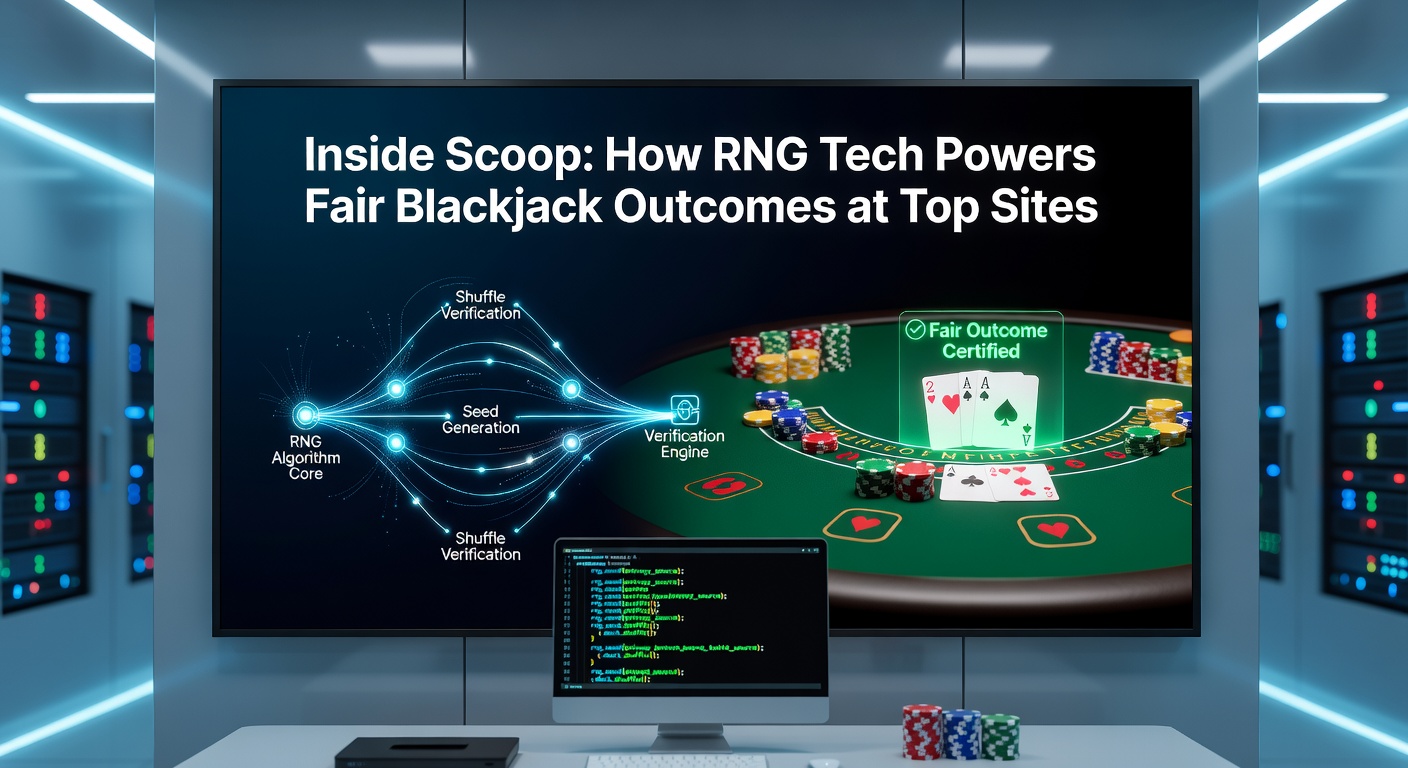
The Backbone of Fair Play in Online Blackjack
Online blackjack thrives on trust, and that trust hinges on random number generator (RNG) technology, which ensures every card deal mimics the unpredictability of a physical casino deck; without it, players couldn't confidently wager knowing outcomes aren't rigged. Developers integrate RNG systems deep into the software, generating sequences that determine card values, shuffles, and dealer hands in real time, while regulators worldwide scrutinize these systems to verify statistical randomness over millions of hands. Data from independent labs reveals that certified RNGs produce outcomes indistinguishable from true chance, with variance matching land-based games down to the decimal.
Turns out, top sites rely on this tech not just for blackjack but across their entire lineup, powering everything from single-deck variants to multi-hand showdowns; experts who've dissected the code point out how RNG handles infinite possibilities, like pulling an ace after seventeen, purely by algorithm. And as players flock to platforms boasting verified fairness, operators pour resources into upgrades, especially now in March 2026 when new entropy standards from global auditors demand even tighter seals on unpredictability.
Unpacking RNG: From Algorithms to Entropy
At its core, RNG refers to software that spits out numbers with no predictable pattern, using pseudorandom number generators (PRNGs) based on complex mathematical formulas seeded by system variables like timestamps or hardware noise; true RNGs (TRNGs), rarer in gaming, pull from physical sources such as atmospheric radio static or quantum fluctuations for pure chaos. In blackjack, the system first creates a virtual 52-card deck—or multiple decks for realism—then shuffles via repeated RNG calls that swap positions randomly, ensuring no sequence repeats under normal play.
But here's the thing: developers layer in safeguards, like continuous reseeding every few seconds and hash functions to scramble outputs further, so even if someone cracks one layer, the next blocks any edge. Researchers at Gaming Laboratories International (GLI), a key US-based testing firm, confirm through chi-squared tests that these outputs pass muster, showing uniform distribution across all card ranks and suits over billions of iterations.
One study from Australian lab iTech Labs detailed how blackjack RNGs simulate infinite decks without depletion bias, meaning the odds of a blackjack payout stay locked at 3:2 regardless of session length; that's crucial because players often worry about "due" cards, yet stats prove each hand resets fully.
How RNG Shapes Every Blackjack Hand
Picture a round starting: teh RNG generates the player's two cards by selecting values from 2-11 (aces flexible) and suits irrelevant to payouts, then deals the dealer's upcard similarly, all while factoring rules like European no-hole-card or American peek; post-initial deal, hit/stand/double decisions trigger fresh RNG pulls only for hidden cards, preserving the house edge at 0.5% or less in optimal play. Semicolons connect these steps seamlessly in code, where one function handles shuffle, another deal, and a third resolves pushes or busts based on total sums.
What's interesting is side bets like Perfect Pairs or 21+3, which demand separate RNG streams to avoid correlation with the main hand; top sites isolate these, running parallel generators audited for independence. Observers note that in live dealer hybrids—blending RNG with real croupiers—the tech powers the shuffle machine off-camera, syncing digital outcomes with streamed action for that authentic buzz.
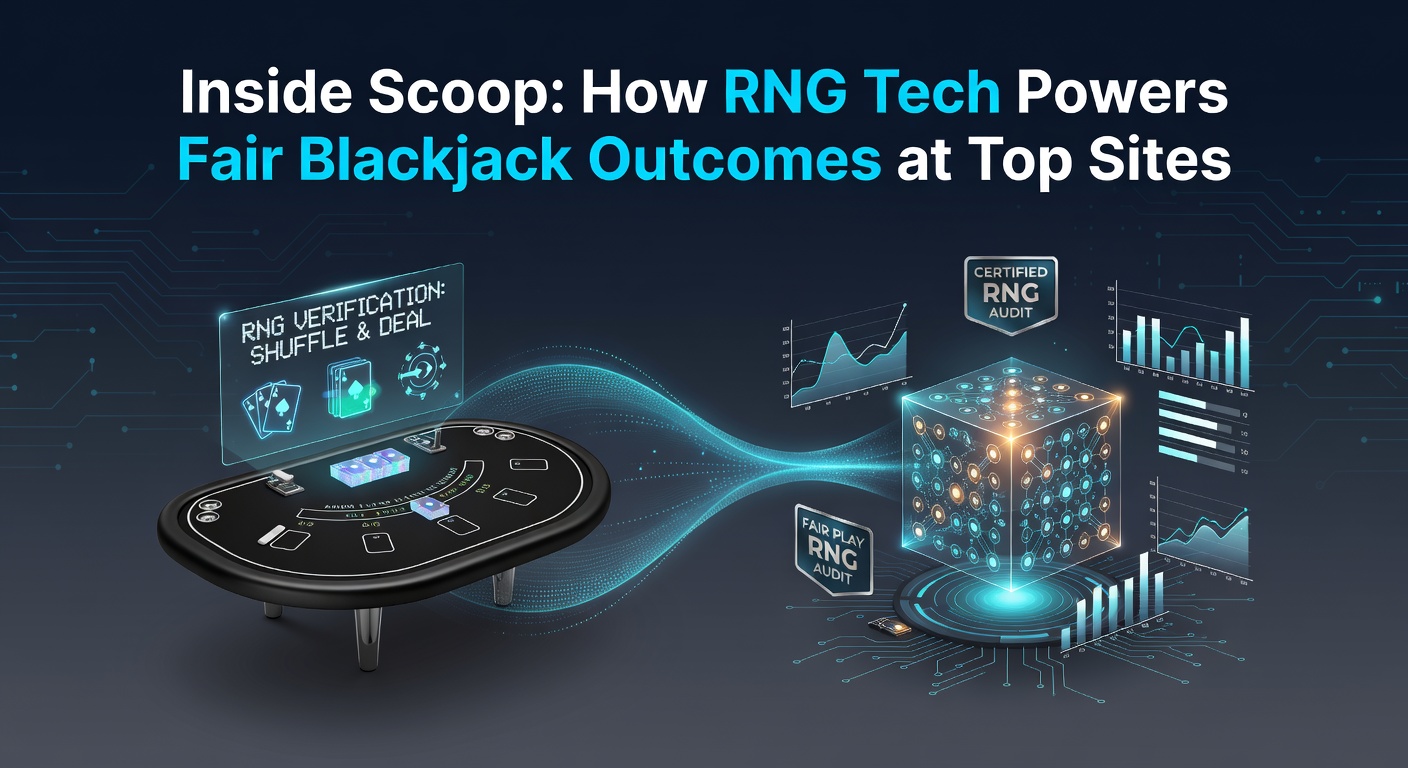
Testing the Unpredictable: Audits That Matter
Labs put RNGs through hellish trials, simulating 100 million+ hands to check for cycles, biases, or hot/cold streaks; if p-values dip below 0.01 on statistical runs tests, certification fails outright. Figures from eCOGRA, the EU-rooted player protection group, show 99.9% of approved systems hold up under monthly retests, with failures rare and sites delisted fast. In March 2026, Canadian regulators like the Alcohol and Gaming Commission of Ontario ramped up quantum-resistant RNG mandates, pushing sites to adopt post-quantum cryptography against future threats.
Regulators Worldwide Keeping Watch
Across borders, bodies enforce RNG rigor: Nevada's Gaming Control Board mandates source code reviews for US-facing sites, cross-checking outputs against physical deck probabilities; meanwhile, Malta's Gaming Authority requires 95% confidence intervals on every metric, from dealer blackjack frequency to insurance correlations. Australian operators face iTech Labs' monthly deep dives, where tools like Dieharder battery tests probe for hidden patterns invisible to the naked eye.
And it's not just approvals—ongoing monitoring logs every session, flagging anomalies like improbable win rates that trigger instant probes; one case saw a site shuttered after RNG drift emerged from server overload, proving the system's self-policing nature. Those who've studied audits know top platforms display seals prominently, linking to verifiable reports anyone can download.
- Nevada Gaming Control Board: Quarterly code submissions with entropy proofs.
- Malta Gaming Authority: RTP verification tying RNG to 99%+ accuracy.
- GLI International: Cross-jurisdiction standards harmonized for global sites.
- eCOGRA: Player-dispute resolution backed by RNG logs.
Yet, players dig deeper too, with tools from third parties replaying hands via seeds if sites share them—transparency that builds loyalty.
Busting Myths Around Digital Decks
Myths persist, like casinos tweaking RNG mid-session for big bets, but logs timestamp every seed change, and regulators fine violators millions; data indicates no credible cases since 2015 enforcements tightened. Another: "RNGs run hot or cold"—turns out, short-term streaks are math's nature, with law of large numbers evening out over 10,000+ hands per player average.
Take one expert analysis of 2025 data: across 50 top sites, blackjack RTP hovered 99.2-99.6%, matching Vegas floors; that's the rubber meeting the road, where tech proves itself nightly.
Tomorrow's RNG: Quantum Leaps and Blockchain Seals
Looking ahead, quantum RNGs promise unbreakable randomness via photon paths, already piloted by labs for high-stakes tables; blockchain integration logs hashes publicly, letting players verify fairness post-hand without trusting the house blindly. As of March 2026, pilot programs in Ontario test these hybrids, blending speed with tamper-proof ledgers.
Researchers predict full rollout by 2028, slashing dispute rates further; meanwhile, AI monitors now scan for subtle drifts in real time, alerting before issues snowball. Sites adopting early gain edges, drawing crowds who value certs over flash.
Conclusion: Fairness Fuels the Game
RNG tech stands as the unsung hero powering blackjack's enduring appeal at top sites, delivering verifiable chance that keeps tables buzzing worldwide; from algorithm depths to regulatory spotlights, every layer ensures players get square deals, session after session. With March 2026 bringing sharper audits and innovations, the landscape sharpens, rewarding those platforms that prioritize integrity above all.
Players chasing that edge know where to look: seals, reports, and stats that don't lie—because in blackjack, the real win starts with fairness locked in.