Mapping Policy Pathways in Blackjack Platform Onboarding and Sustained Engagement Cycles
Written by Morgan Otto · Aug 19, 2026
Mapping Policy Pathways in Blackjack Platform Onboarding and Sustained Engagement Cycles
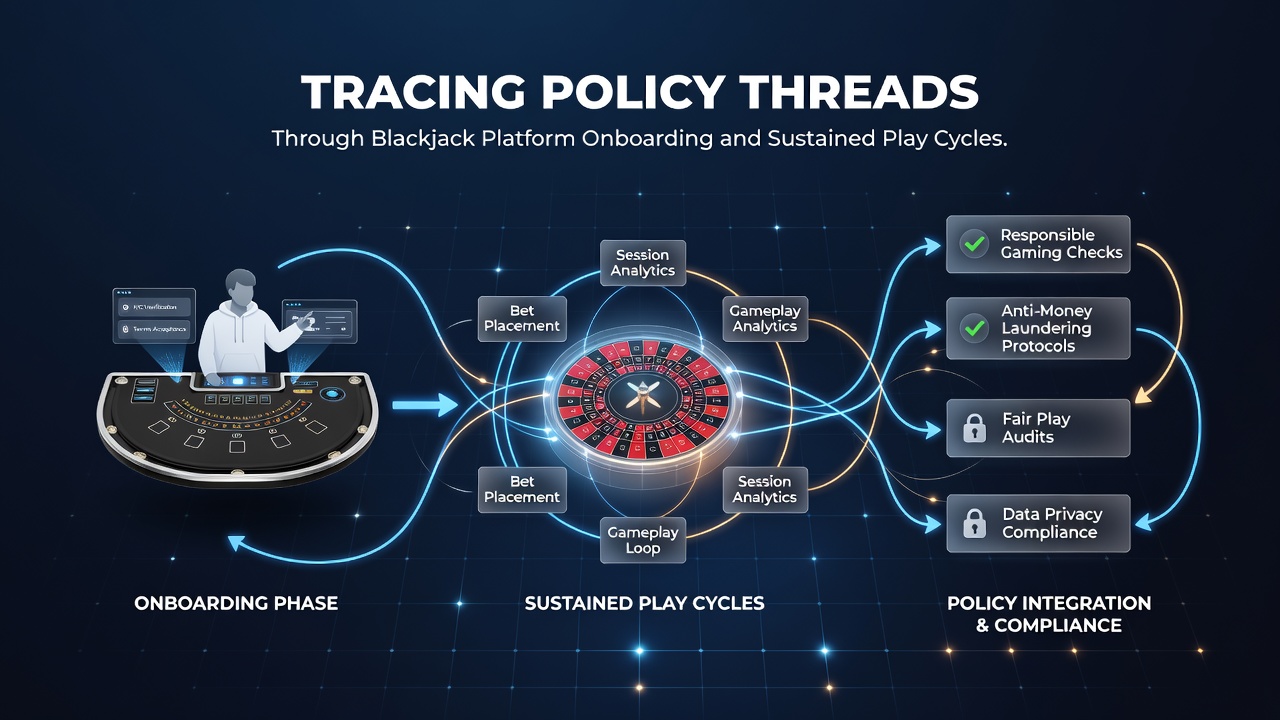
Blackjack platforms connect multiple regulatory requirements from the first registration screen through every subsequent login and betting round, and observers note how these threads shape both initial access and longer-term player activity. Registration processes incorporate identity verification protocols that draw from anti-money laundering statutes in various jurisdictions, while sustained play cycles integrate ongoing monitoring tools that track session length, deposit patterns, and self-exclusion requests. Data from industry reports indicates these layered policies operate simultaneously rather than in isolation, creating continuous compliance pathways that platforms must maintain across geographic markets.
Registration Sequences and Initial Policy Application
Account creation begins with collection of personal details that feed directly into know-your-customer checks required under frameworks such as those administered by the Nevada Gaming Control Board, and operators route this information through automated systems that cross-reference government databases for age confirmation and address validation. Once basic fields are completed, additional layers activate including document uploads for identity proof and sometimes biometric elements that align with evolving digital identity standards. Research from the University of Nevada, Las Vegas Center for Gaming Research shows verification completion times average between two and twenty-four hours depending on document clarity and jurisdictional overlap, after which approved accounts receive access to game libraries and deposit functions.
These early steps also embed data protection obligations that limit how platforms store and share user information across borders, and platform operators configure consent flows to satisfy multiple regional statutes at once. When players proceed to funding their accounts, transaction monitoring rules trigger alerts for patterns that deviate from typical behavior, establishing audit trails that extend into future activity.
Transition into Sustained Play Monitoring
After initial access, policy threads shift focus toward continuous oversight mechanisms that address responsible gambling indicators and financial crime prevention. Platforms deploy algorithms that flag extended sessions or rapid deposit increases, then surface pop-up messages or temporary limits that reference the same regulatory frameworks applied during onboarding. Observers have documented how these interventions draw from the same data repositories created at registration, allowing seamless continuation of compliance records without requiring players to re-enter basic details.
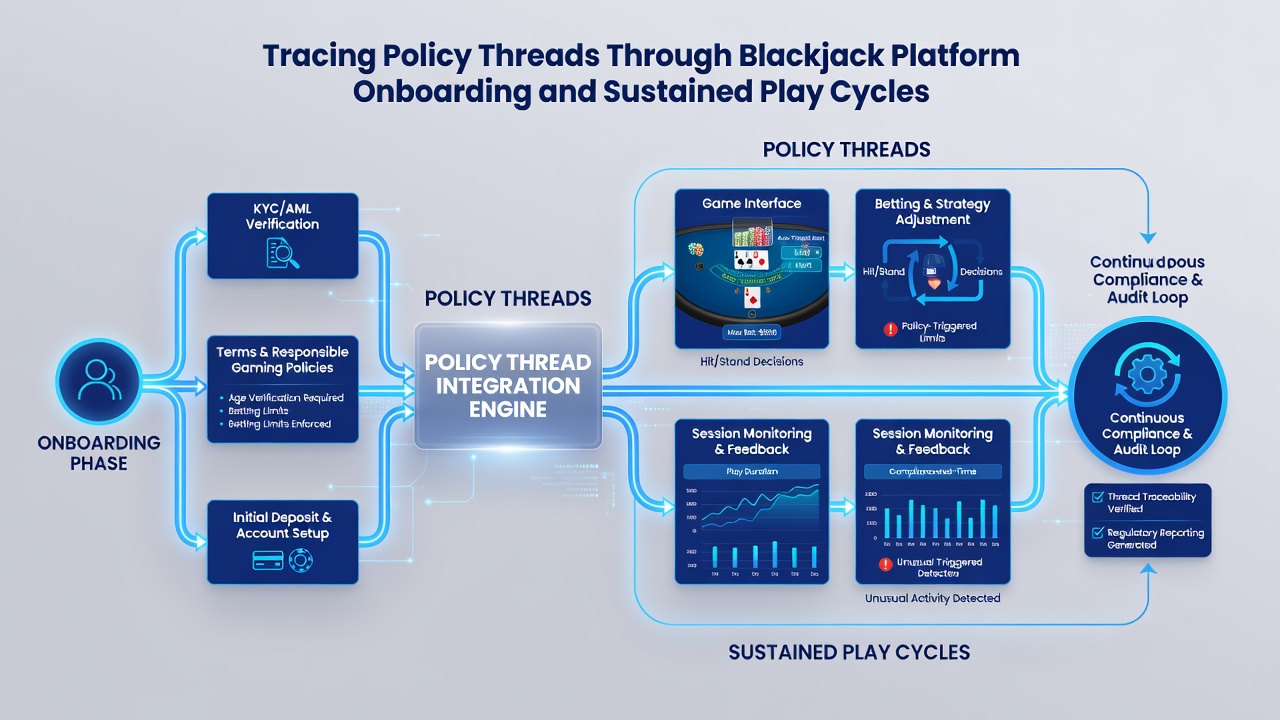
Self-exclusion programs represent one clear continuation point, where requests submitted during active play update the original account profile and propagate across affiliated sites within agreed timeframes. Figures released by the Australian Communications and Media Authority in its 2025 annual review reveal that integrated exclusion lists reduced repeat access attempts by approximately thirty percent among participants who had previously enrolled, demonstrating measurable linkage between early policy application and later behavioral controls. Bonus structures and loyalty rewards also operate under policy constraints that cap promotional value and require wagering transparency disclosures, ensuring marketing activities remain consistent with consumer protection directives.
Cross-Jurisdictional Thread Maintenance
Platforms serving multiple regions maintain separate compliance modules that reference distinct regulatory sources while preserving unified player records. A single account might satisfy Canadian provincial requirements for session reminders alongside European data portability rules, and these modules update in real time as new guidance emerges. In August 2026 several North American and Asia-Pacific regulators introduced synchronized reporting templates for player activity metrics, allowing operators to submit aggregated data through shared portals rather than duplicating submissions. This development streamlined the policy continuity process for operators managing accounts across borders and reduced administrative duplication without altering core verification or monitoring functions.
Conclusion
Policy pathways therefore remain active from the moment a player submits registration details through repeated cycles of deposit, play, and withdrawal. The same foundational records created during onboarding support later interventions such as limit setting and exclusion enforcement, while cross-border reporting updates continue to refine how platforms apply these threads in practice. Observers tracking these systems note that integration of initial and ongoing requirements produces more consistent compliance outcomes across diverse regulatory environments.