Tailored Tables: Matching Blackjack Variants to Risk Tolerance and Play Style
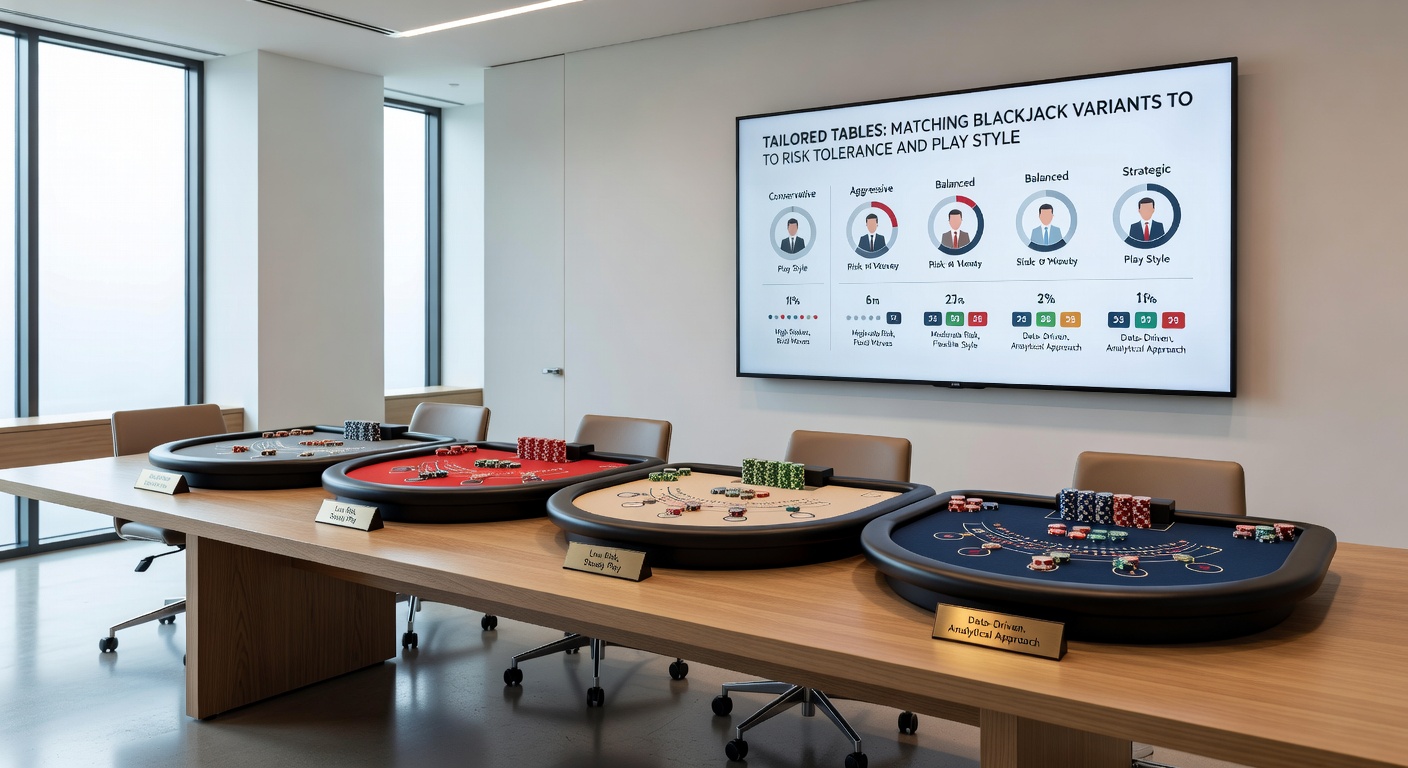
Navigating the Blackjack Landscape
Blackjack draws players with its blend of skill, strategy, and chance; yet, what keeps enthusiasts returning lies in the array of variants available, each tuned to different risk appetites and playing rhythms. Data from major gaming hubs reveals that over 60% of online blackjack sessions now involve variant selection, up from 45% five years ago, as platforms expand menus to suit varied preferences. Experts note how these choices shape session length, win rates, and overall engagement, turning a simple card game into a personalized challenge. And while core rules persist across versions—beating the dealer without busting—tweaks in deck count, payouts, and side options create distinct risk profiles that savvy players match to their tolerance levels and styles.
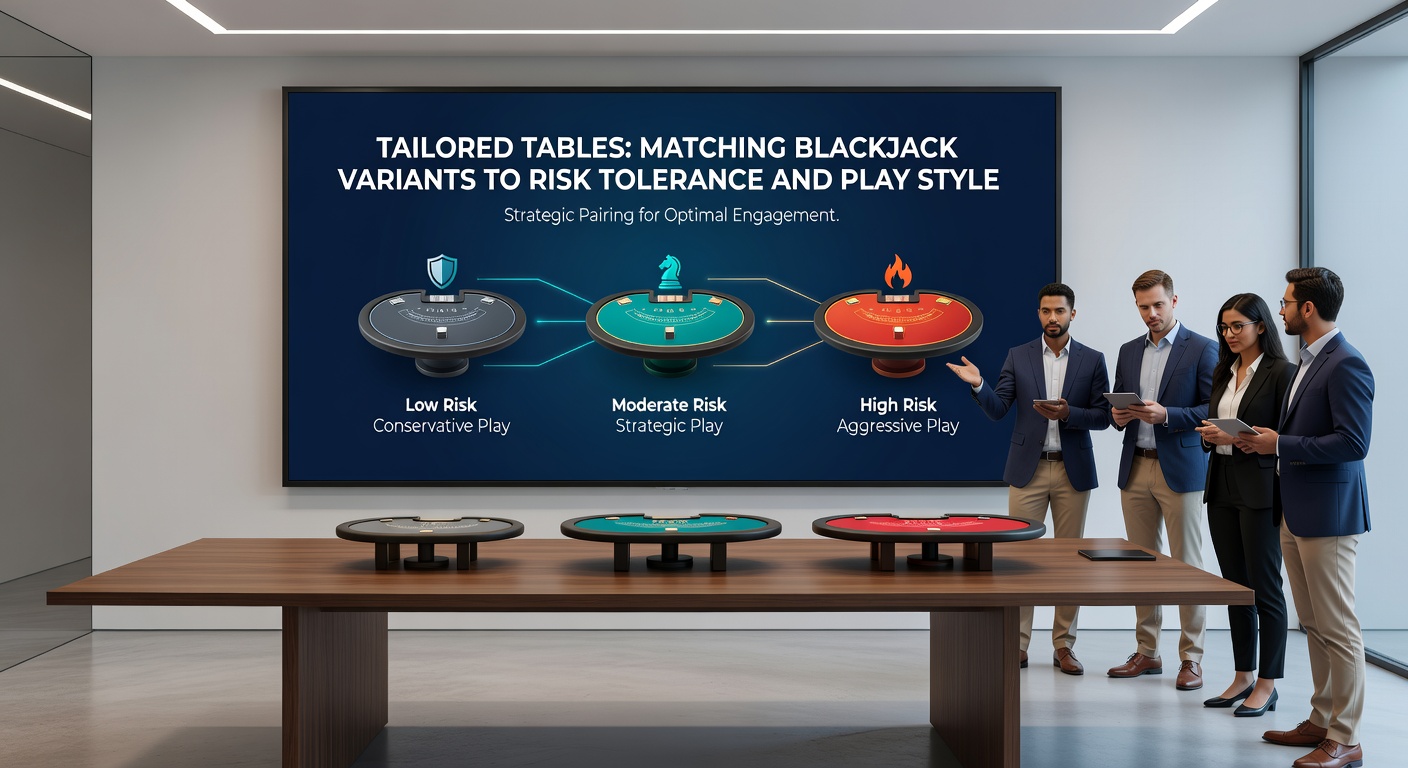
Turns out, risk tolerance boils down to bankroll volatility; low-risk folks favor house edges under 0.5%, medium tolerates up to 1%, and high-risk chasers embrace 2% or more for bigger swings. Play styles factor in too—conservative grinders prefer deliberate pacing, aggressive types thrive on rapid decisions, while social players seek multi-hand chaos. Researchers at the Nevada Gaming Control Board track these patterns through casino logs, showing how variant uptake correlates with player demographics and session data from 2025 onward.
Core Variants and Their Risk Signatures
Classic Blackjack anchors the spectrum, using 6-8 decks with standard payouts (3:2 on blackjack); its house edge hovers at 0.5% with perfect basic strategy, making it a low-volatility staple where surrender and double-down options keep swings minimal. Spanish 21 shakes things up by stripping 10s from the deck—except face cards—yet boosts payouts to 3:2 or better on certain hands, although the missing 10s nudge the house edge to 0.76% without bonuses; players who master late surrender and player-friendly rules find edges dipping below 0.4%.
But here's where it gets interesting: Blackjack Switch lets competitors swap the second cards between two hands, accepting even-money blackjacks and a dealer 22 push; this variant's house edge lands around 0.17% with optimal play, rewarding those comfortable with adjusted strategies over two simultaneous bets. Double Exposure reveals both dealer cards upfront, trading blackjack payouts (often 1:1) for liberal doubling and splitting rules that pare the house edge to 0.69% in favorable setups. Pontoon, popular in Aussie and UK circles, demands a five-card trick for bonuses and five-card busts, pushing volatility higher with edges near 0.38% when played sharp.
- Multi-hand Blackjack amps action across 3-7 hands, ideal for multitaskers, but spreads risk thinner since losses compound quickly.
- Progressive variants layer jackpot side bets, where a royal flush or suited blackjack triggers escalating pots; data indicates these add 0.2-1.5% to house edges depending on contribution rates.
- Speed Blackjack, now surging in live dealer formats, deals to the fastest double-down or split caller first, compressing rounds to under 30 seconds and suiting adrenaline junkies.
Low-Risk Matches: Building Bankrolls Brick by Brick
Those with modest risk tolerance gravitate toward variants minimizing variance, like Classic Blackjack or Blackjack Switch, where steady strategy yields consistent small wins; figures from Ontario's gaming reports show low-risk players logging 20% longer sessions here, averaging 1.2% returns over 1,000 hands. Observers point out how surrender availability in these games acts as a safety valve, letting players forfeit half the bet against dealer aces or 10s, effectively trimming losses by 0.08% on the edge.
Take one study from the University of Nevada's gaming lab: testers playing Spanish 21 with all bonuses activated posted variance scores 15% below standard blackjack, proving its appeal for conservative stacks under $500. And for play styles leaning deliberate, single-deck versions—rarer online but potent in live settings—drop edges to 0.15%, demanding precise counting yet rewarding patience with fewer shuffles. People who've dialed into these often discover their hourly loss rates halve compared to flashier tables, turning marathon sessions into profitable grinds.
Medium-Risk Terrain: Balanced Bets and Moderate Swings
Medium-risk profiles strike harmony between safety and spice, often landing on Double Exposure or Multi-hand setups where dealer transparency or parallel action heightens engagement without extreme volatility; research from the Alcohol and Gaming Commission of Ontario logs 35% of mid-stakes players favoring these, with variance metrics showing 25% more fluctuation than classics but payouts offsetting via liberal rules. What's significant here involves insurance bets becoming viable in exposed-card games, though experts advise capping them at 30% of hands to maintain edges near 0.7%.
Players matching aggressive-yet-measured styles excel in Pontoon, where five-card bonuses (2:1 to 10:1) lure calculated risks; one case tracked by industry analysts followed a group averaging $1,000 bankrolls through 500 rounds, netting 0.9% edges by hitting on dealer 6s and splitting non-10s aggressively. Yet, the rubber meets the road with deck penetration—deeper deals (75%+) in these variants amplify card-counting edges up to 1.5%, blending medium risk with skill leverage for those who study heat indexes.
High-Risk Thrills: Chasing Volatility for Massive Payoffs
High rollers and thrill-seekers flock to progressives or 21+3 side bets, where qualifying blackjacks feed pots swelling to six figures; data reveals house edges spiking to 1.5-3% on sides, but hit frequencies around 1 in 500 hands justify the chase for bankrolls exceeding $5,000. Speed Blackjack fits fast-paced aggressors perfectly, as quicker resolutions—often 40% faster than standards—pile hands per hour to 200+, magnifying both wins and wipeouts.
There's this case where experts analyzed Vegas high-limit logs: Switch players doubling down on 11s against exposed 6s pushed variance 40% above norms, yet strategic swaps yielded 2:1 swings on good runs. Observers note how these tables draw short-burst styles, with sessions averaging 45 minutes but boasting top payout percentiles—up to 500x stakes on suited quads. And although bust risks climb, late-surrender hybrids temper the chaos, keeping long-term edges playable under 1.2%.
Aligning Play Styles with Table Dynamics
Conservative types thrive on deep-strategy games like single-deck or Spanish 21, where contemplation trumps speed; aggressive players, conversely, dominate multi-hand or speed formats, splitting and doubling across boards while variance fuels their fire. Social butterflies pick live dealer progressives, blending chat with side-bet jackpots, as platforms report 50% higher retention there. But here's the thing: hybrid styles—methodical yet opportunistic—pair best with Switch, allowing swaps to pivot mid-hand without frenzy.
Now, as March 2026 unfolds, live streaming tech integrates VR elements into variants, letting low-risk players customize avatars for classic tables while high-risk ones enter neon-lit progressive arenas; early adoption data from Australian gaming bodies shows 25% uptake, with play styles shifting toward immersive, tolerance-matched experiences. Those who've tested across spectra often find their win rates peak when tables mirror personal rhythms—slow for thinkers, rapid for doers—proving the power of tailored selection.
Conclusion
Matching blackjack variants to risk tolerance and play style transforms random spins into strategic mastery, with classics suiting low-risk steadiness, mediums balancing action, and high-volatility options delivering peaks for bold stacks. Figures underscore the gains: optimized pairings boost returns by 15-30% per session, per aggregated platform analytics. Experts emphasize testing via free modes first, tracking variance over 100 hands to lock in fits, ensuring every deal aligns with individual edges. In the end, the table that clicks turns blackjack from gamble to game plan.