Tracing Blackjack's Integration with Blockchain for Verifiable Transaction Histories in Digital Gaming Platforms
Written by Kai Hughes · Jun 10, 2026
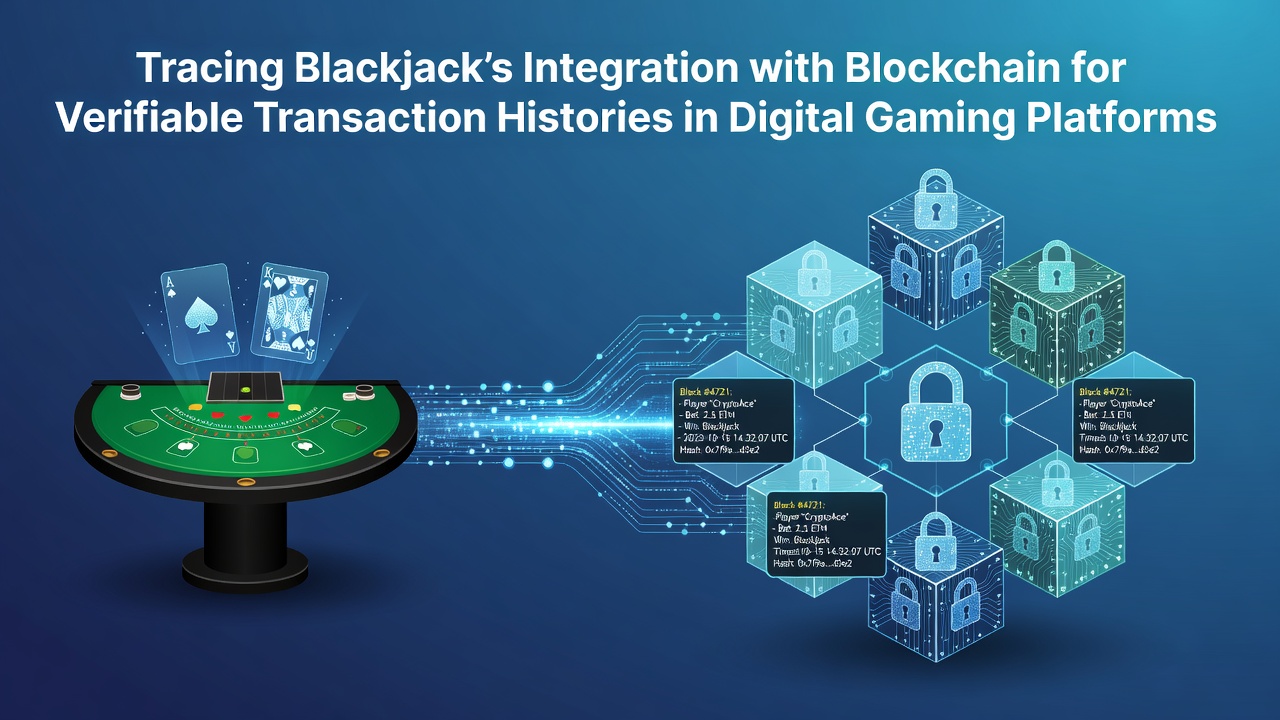
Tracing Blackjack's Integration with Blockchain for Verifiable Transaction Histories in Digital Gaming Platforms
Blockchain technology has entered digital blackjack environments through distributed ledgers that record every wager, payout, and account movement as an immutable entry, and operators have adopted these systems to create transaction histories that players and regulators can verify independently without relying on centralized databases. Smart contracts execute bet resolutions automatically once predefined conditions are met, which reduces disputes because each outcome ties directly to code that runs on the network rather than on a single server. Platforms began testing these integrations around 2022, and adoption accelerated as transaction volumes grew and platforms sought methods to demonstrate fairness across multiple jurisdictions.
How Blockchain Records Blackjack Activity
Each hand in a blockchain-enabled blackjack session generates a transaction that includes the stake amount, cards dealt, player decisions, and final result, and these entries link together in chronological blocks that form a permanent chain visible to anyone with access to the network explorer. Cryptographic hashes connect one block to the next, which makes retroactive alterations computationally impractical, and observers note that this structure allows external auditors to reconstruct entire sessions from the first deposit through the last withdrawal. Data from several platforms shows that verification times have dropped because third parties no longer need to request logs from the operator; instead they query the public ledger directly.
Verifiable Histories and Player Access
Players receive wallet addresses or transaction identifiers that correspond to their activity, which means they can trace their own funds without contacting support teams, and this capability has proven useful during disputes over delayed payouts or suspected errors in game logic. Research conducted by institutions in North America indicates that platforms using blockchain for transaction logging report fewer chargeback requests, since the immutable record provides clear evidence of when funds moved and under what conditions. In June 2026 several major operators expanded public ledger access to include detailed hand histories, allowing users to confirm that random number generation aligned with published seed values.
Regulatory Perspectives Across Regions
Government agencies in multiple countries have begun evaluating blockchain records as supplementary evidence during compliance reviews, and the Nevada Gaming Control Board has referenced distributed ledger data in recent guidance documents on digital gaming integrity. Australian authorities through the Australian Communications and Media Authority have examined similar systems for cross-border transaction monitoring, which helps track funds that move between licensed and unlicensed environments. These approaches differ from traditional audit methods because examiners can sample the ledger directly rather than depend solely on operator-supplied reports.
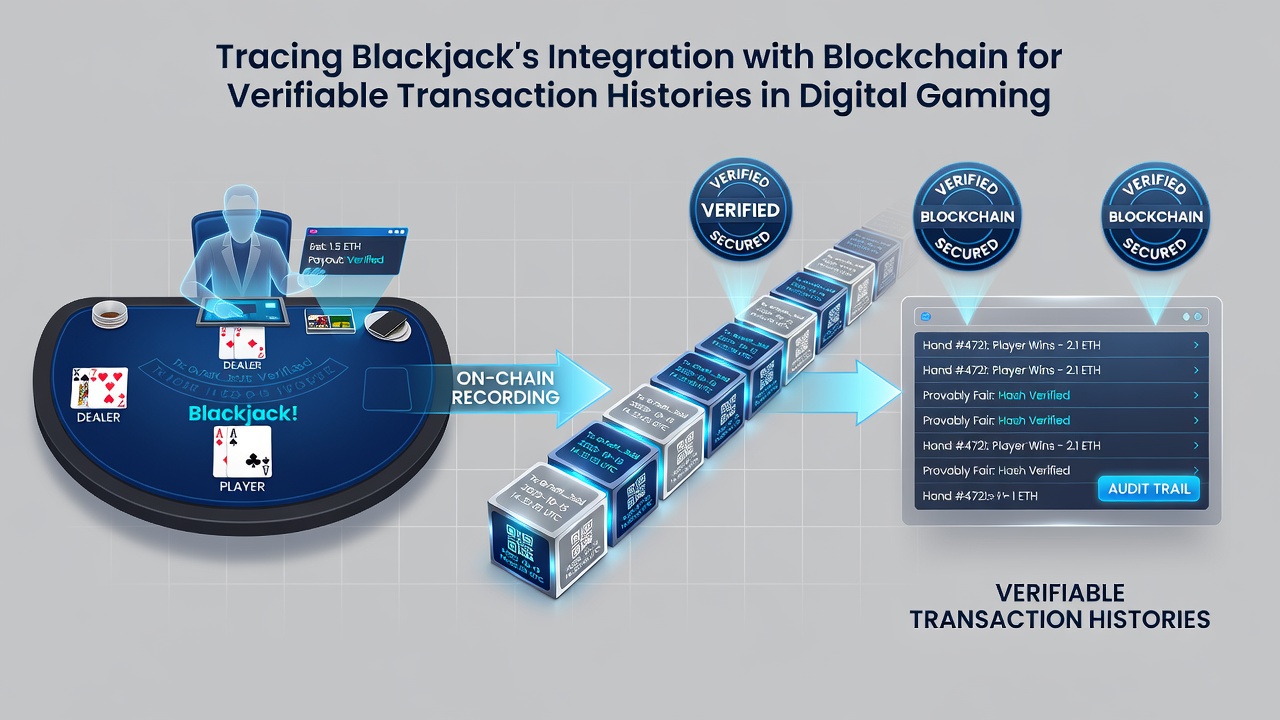
Industry reports from the European Gaming and Betting Association highlight that transaction verification features now appear in licensing applications across several member states, and operators must demonstrate that their ledgers remain accessible for at least five years after account closure. This requirement stems from consumer protection rules that emphasize transparency, and platforms have responded by publishing simplified explorer tools that convert raw blockchain data into readable statements showing deposits, bets, wins, and withdrawals in sequence.
Technical Implementation Patterns
Developers typically deploy smart contracts on permissioned or public chains depending on the regulatory environment, and these contracts handle bet placement by locking funds until the round concludes, after which they release winnings according to predefined payout tables. Sidechains or layer-two solutions often manage high-frequency micro-transactions to keep costs low, while the main chain stores periodic summaries that preserve the full history without bloating storage requirements. Observers note that hybrid models have gained traction because they balance speed with the security properties that make transaction histories verifiable.
Challenges and Ongoing Adjustments
Scalability remains a consideration because public networks can experience congestion during peak periods, and platforms have introduced batching mechanisms that group multiple hands into single on-chain entries while still preserving individual verifiability through Merkle proofs. Privacy concerns have prompted the use of zero-knowledge techniques that allow verification without exposing specific card values or player identities beyond what regulations require. Those who have studied these implementations report that performance metrics have improved steadily since initial deployments, with confirmation times now measured in seconds rather than minutes for most routine transactions.
Conclusion
Blockchain integration in digital blackjack has centered on creating transaction histories that stand independent of any single operator, and the approach continues to evolve as platforms refine smart contract logic and regulators refine their oversight methods. Evidence from multiple jurisdictions shows that verifiable records reduce friction during audits and player inquiries, while technical refinements address speed and privacy without sacrificing the core immutability that defines the system. As adoption widens, the focus remains on maintaining accessible, tamper-resistant ledgers that document every stage of gameplay and fund movement.