Tracing Cultural Influences on Blackjack Rule Variations Across Global Digital Platforms
Written by Alex Richter · Jun 8, 2026
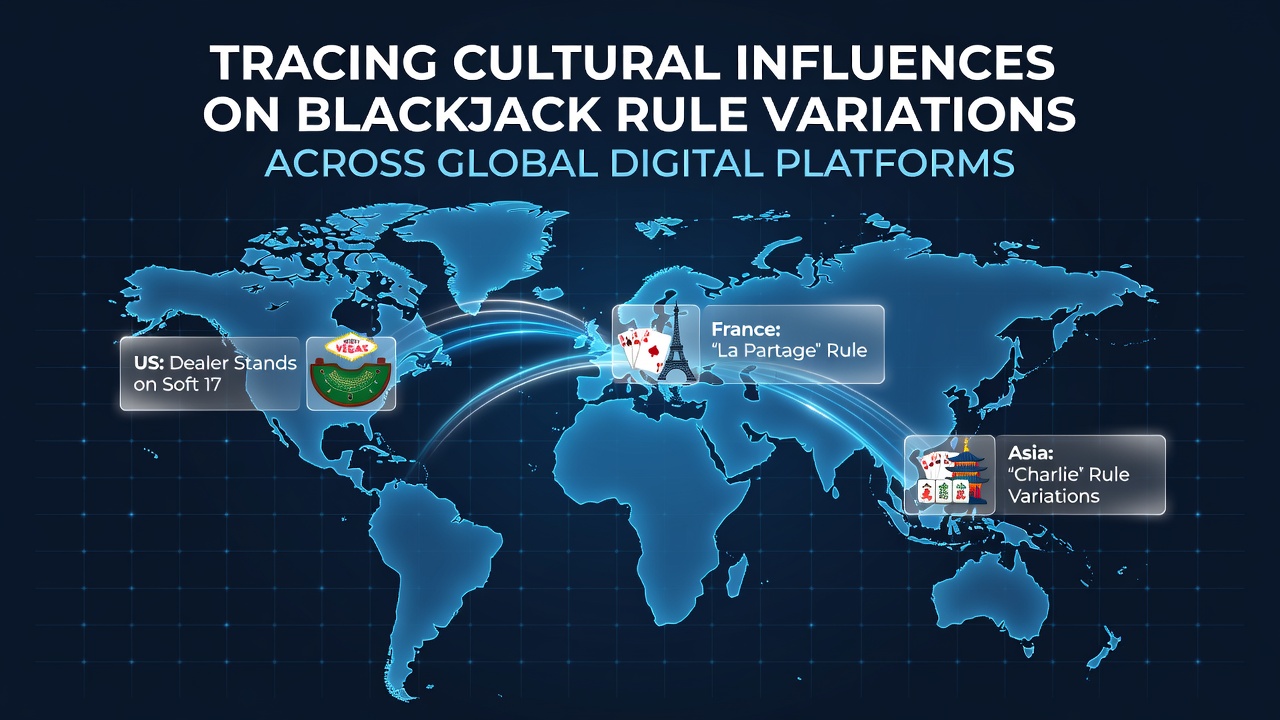
Tracing Cultural Influences on Blackjack Rule Variations Across Global Digital Platforms
Blackjack traces its roots to 17th-century France where teh game known as Vingt-et-Un established core mechanics that later spread through European ports and colonial routes into the Americas and beyond, and observers note how these origins continue to shape rule sets on digital platforms that target players from specific cultural backgrounds. European platforms often retain the no-hole-card variant where dealers check for blackjack only after players complete their hands, a practice that reflects historical French and British table procedures still documented in regulatory filings from multiple jurisdictions.
European Foundations and Digital Adaptations
Research from gaming historians shows that French influences persist in many online environments through payout structures that limit dealer advantages on certain hands while incorporating early surrender options that originated in continental Europe. Platforms serving audiences in France, Germany, and the Netherlands frequently default to these configurations because data indicates higher retention rates when rules align with familiar land-based experiences from those regions, and studies compiled by the European Gaming and Betting Association confirm that such localization increases session lengths among users accustomed to stricter dealer standing rules.
Digital operators also adjust deck penetration and reshuffle frequencies based on cultural preferences for transparency, a trend that gained attention in June 2026 when several platforms updated their software to display real-time shoe composition metrics for users in Scandinavian markets where regulatory emphasis on fairness reporting remains strong.
American Rule Sets in Global Online Spaces
American adaptations introduced elements such as the dealer hitting on soft 17 and the option for double down after split, modifications that emerged in mid-20th-century Nevada and Atlantic City casinos before migrating to international servers. Online platforms accessible from North American IP addresses commonly implement these variations because traffic analytics reveal stronger engagement from players familiar with Las Vegas conventions, and figures from the Nevada Gaming Control Board illustrate how these standards have influenced software providers who license games across borders.
Multi-regional sites often segment rule sets by player location, applying American-style surrender allowances only when detected geolocation matches jurisdictions where such options historically boosted table action.
Asian Market Influences and Side Bet Proliferation
Asian cultural preferences have driven the addition of side bets like Perfect Pairs and 21+3 on platforms popular in East and Southeast Asia, where rapid resolution and bonus opportunities reflect broader gambling traditions that value frequent small wins alongside main game outcomes. Developers have incorporated these features after examining play patterns from operators licensed in Macau and Singapore, where data shows elevated participation in progressive jackpot variants tied to specific card combinations.

Platforms serving these demographics frequently use six-deck shoes with continuous shuffling machines to accommodate faster table turnover, a mechanical preference that carries over into virtual environments and appears in user interface designs that prioritize quick hand cycling over extended decision time.
Cross-Cultural Platform Strategies and June 2026 Developments
Global operators employ algorithmic rule switching that responds to user registration data and payment method origins, enabling one platform to present European no-peek rules to one cohort while serving American double-after-split mechanics to another without requiring separate downloads. Industry reports from the Canadian Gaming Association document how these modular systems emerged from partnerships between software studios and regional regulators seeking to balance player protection standards with commercial flexibility.
June 2026 saw the release of updated compliance frameworks in several Australian states that encouraged platforms to log cultural rule preferences as part of responsible gaming audits, resulting in more granular tracking of how different player groups interact with localized blackjack variants. Such tracking helps operators refine offerings without altering core random number generator protocols that remain consistent across all versions.
Regulatory and Technical Intersections
Technical standards from organizations like the Isle of Man Gambling Supervision Commission require platforms to maintain audit trails that distinguish between rule sets applied to various geographic segments, ensuring transparency when cultural adaptations affect return-to-player percentages. These requirements have prompted developers to publish detailed variant matrices that list every possible combination of dealer actions, doubling rules, and splitting limits tied to player origin.
Academic analyses from research groups at universities in Australia and Canada further examine how these adaptations correlate with demographic data collected through anonymized platform logs, revealing patterns where players from certain linguistic backgrounds gravitate toward rule configurations that mirror traditional games in their home regions.
Conclusion
Global digital blackjack platforms continue to evolve through deliberate incorporation of culturally specific rule elements drawn from French, American, and Asian precedents, supported by regulatory oversight and player behavior analytics that guide localization decisions. Data from multiple jurisdictions shows these adaptations sustain engagement while meeting compliance standards that vary by region, and ongoing developments through 2026 indicate further refinement as operators respond to emerging market demands and updated fairness protocols.