Tracing Regulatory Impacts on Blackjack Accessibility in European Markets
Written by Alex Richter · Jun 22, 2026
Tracing Regulatory Impacts on Blackjack Accessibility in European Markets
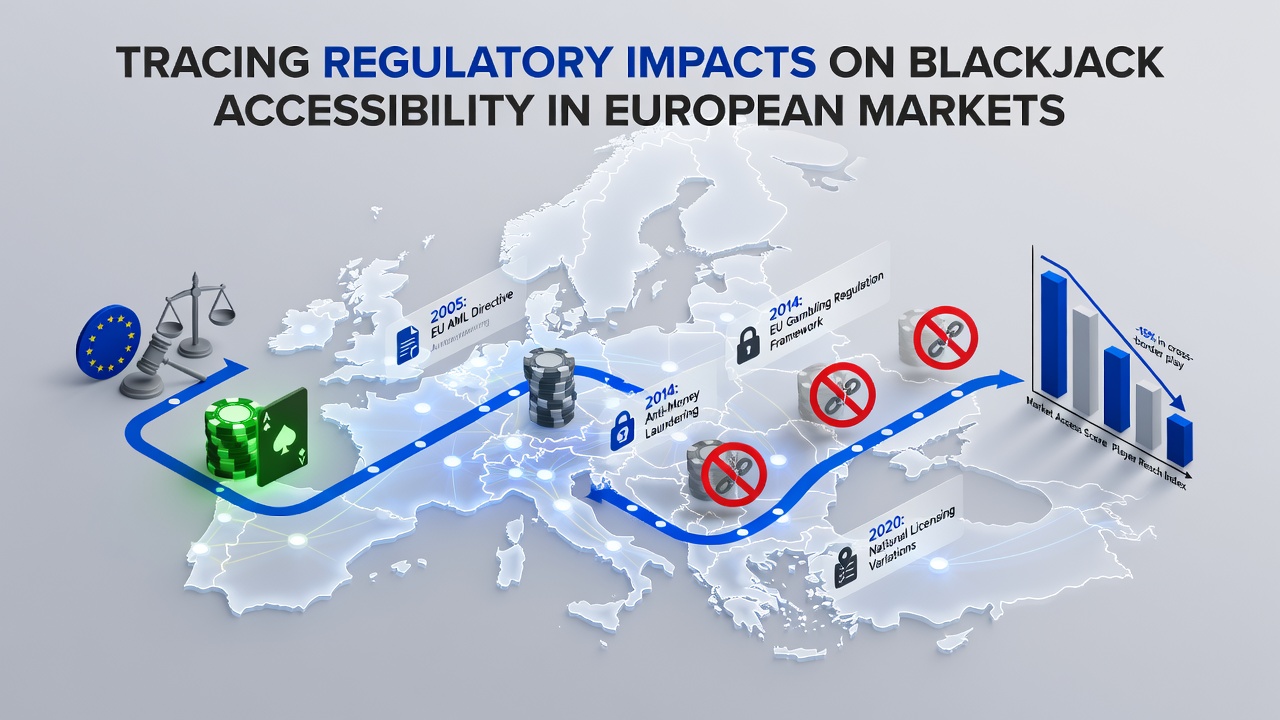
European regulatory landscapes for casino games such as blackjack have evolved through successive national licensing systems and cross-border directives since the early 2000s, with each jurisdiction establishing distinct criteria for operator approvals, player verification protocols, and market entry conditions that directly shape availability. Observers note that these frameworks emerged from broader efforts to align consumer protections with revenue generation goals, resulting in varied degrees of market openness depending on local legislative priorities.
Historical Development of Licensing Systems
Initial moves toward structured oversight began with Malta's establishment of remote gaming regulations in 2004, which created one of the earliest comprehensive licensing regimes and allowed operators meeting technical and financial standards to offer blackjack alongside other table games to players across multiple territories, while subsequent adoptions in places like Sweden and the Netherlands introduced competitive tender processes that limited the number of active licenses at any given time. Data from industry reports indicate that these staggered implementations produced measurable shifts in the number of licensed platforms accessible to residents, with some markets experiencing contraction followed by gradual reopening after compliance adjustments.
By the mid-2010s, several additional countries had enacted or revised statutes requiring operators to maintain physical presence or local partnerships, thereby influencing the range of blackjack variants and live dealer options presented to users within those borders. Researchers tracking these changes found that jurisdictions adopting centralized control mechanisms often saw slower rollout of new game formats compared to those relying on lighter-touch authorization models.
Country-Level Variations in Market Entry Rules
Germany's 2021 Interstate Treaty on Gambling introduced statewide licensing that imposed strict deposit caps and advertising restrictions affecting blackjack sites, whereas Denmark's framework emphasized rapid approval pathways for operators demonstrating robust responsible gaming tools, leading to differing levels of product diversity available to each population. Figures released by national authorities reveal that markets with higher compliance thresholds recorded fewer active blackjack providers during the initial transition periods, yet those same markets frequently stabilized once operators completed required audits.
Spain's Directorate General for the Regulation of Gambling maintains a registry system that ties operator eligibility to ongoing financial reporting and game fairness testing, creating ongoing barriers for smaller entrants while enabling established firms to expand offerings after certification. Similar patterns appear in Belgium and Portugal, where regional authorities coordinate with central bodies to enforce uniform standards across physical and digital channels.
Effects on Player Access and Product Availability
Accessibility metrics compiled by European betting associations show that licensing density correlates with the breadth of blackjack tables and tournament formats offered, since operators granted multi-jurisdictional permits can deploy shared technology stacks that reduce per-market customization costs. In practice, this means residents of countries with reciprocal recognition agreements encounter wider selections of progressive jackpot blackjack and speed variants than those in more isolated regulatory environments.
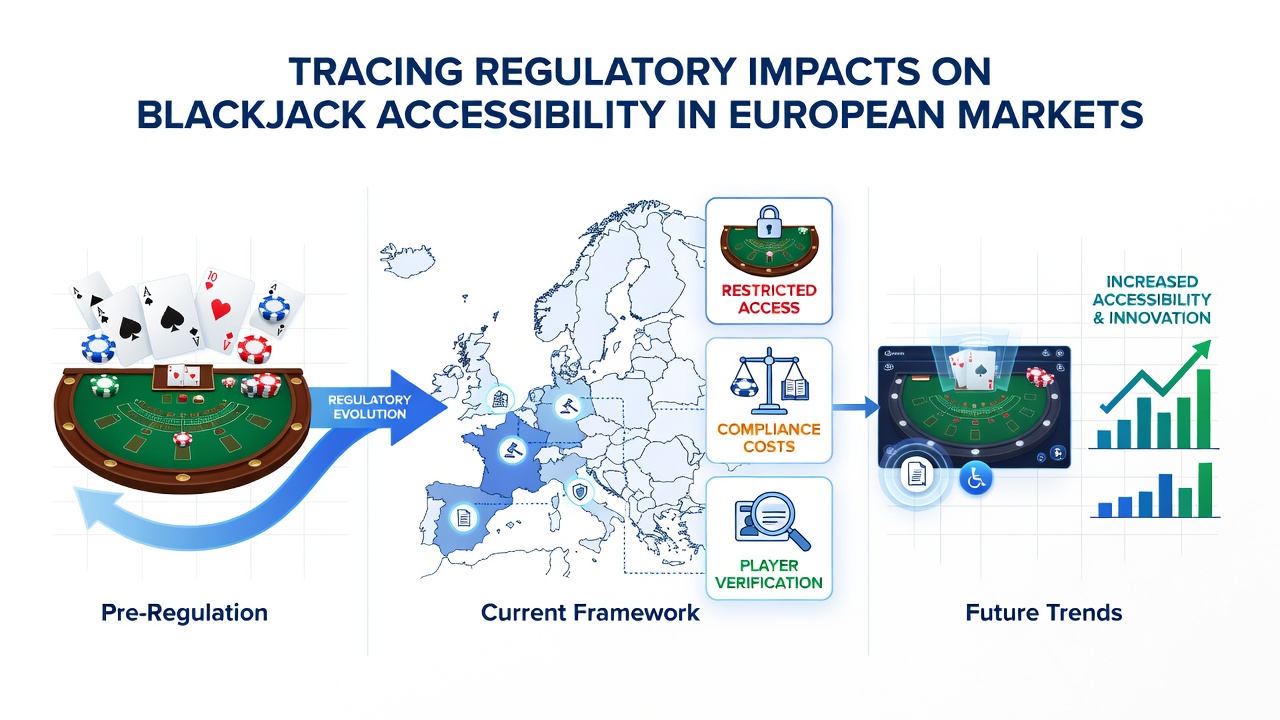
Payment processing rules further modulate access because several jurisdictions mandate the use of locally licensed financial institutions or prohibit certain e-wallet integrations, which lengthens transaction times and narrows the pool of participating sites. Studies conducted by academic teams at institutions outside the UK have documented corresponding drops in active player accounts during periods when new banking restrictions took effect, followed by partial recovery after alternative methods gained approval.
Developments Through Mid-2026
By June 2026, updates to cross-border data-sharing protocols among regulators had begun to influence how operators verify player identities and monitor play patterns in real time, producing incremental changes in signup flows for blackjack platforms. Reports from the European Gaming and Betting Association highlight that these adjustments coincided with expanded testing requirements for random number generators used in virtual blackjack, prompting some providers to consolidate server infrastructure in jurisdictions offering streamlined certification processes.
Additional refinements in advertising guidelines across multiple member states limited promotional channels available to operators, which in turn affected how new blackjack titles reached potential users. Evidence gathered through industry tracking indicates that markets allowing targeted digital campaigns retained higher volumes of registered accounts compared with those enforcing broader promotional bans.
Conclusion
Regulatory evolution continues to determine the configuration of blackjack markets throughout Europe, with each jurisdiction's licensing criteria, verification standards, and operational mandates producing distinct accessibility profiles that operators and players navigate on an ongoing basis. Patterns observed across successive policy cycles suggest that future adjustments will likely build upon existing frameworks rather than replace them entirely, maintaining the interplay between consumer safeguards and commercial viability that has characterized the sector since its earliest regulated forms.